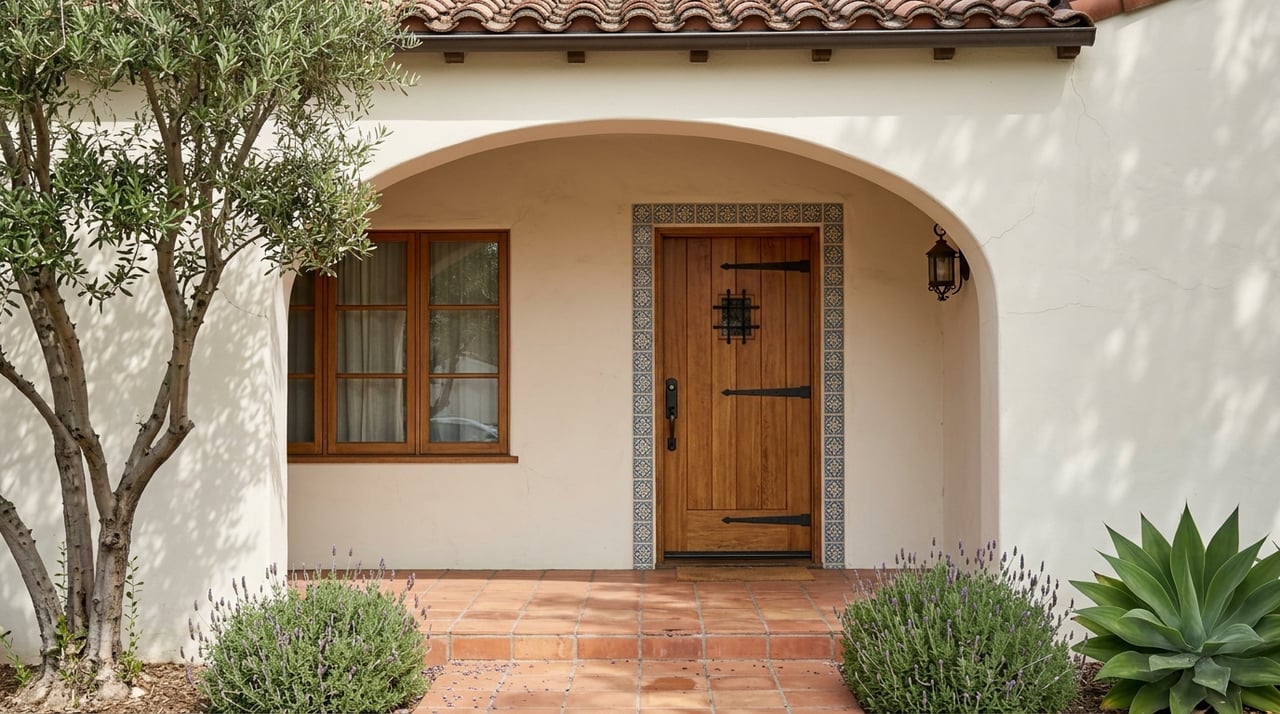
Dreaming about a historic home in Fullerton? It is easy to fall for the charm of original woodwork, old-world details, and architecture that feels hard to replicate today. But before you write an offer, you need to know how historic status, inspections, and future repairs can affect your budget and plans. If you want a home with character and fewer surprises, this guide will help you buy more confidently. Let’s dive in.
Why Fullerton Historic Homes Stand Out
Fullerton has a deep inventory of older homes, and much of the city’s construction from incorporation through the 1940s still remains intact, according to Fullerton Heritage’s survey materials. That gives buyers a rare chance to find homes with original design features and strong architectural identity.
The city also has an active preservation framework. The City of Fullerton Historic Resources page explains that the Planning Division identifies and designates historic sites, oversees modifications to historic properties, and provides access to preservation guidelines and the Mills Act program for qualified properties.
For you as a buyer, that means charm often comes with rules. The key is understanding what kind of historic property you are buying before you commit.
Know the Property’s Historic Status
Not every older home in Fullerton is treated the same way. A property may be a local landmark, a significant property, part of a historic district, or located in a Residential Preservation Zone. Those distinctions can affect review requirements, design compatibility standards, and owner responsibilities.
Before you move forward, check the city’s historic resources information and ask whether the property falls within a district or preservation overlay. You can also use the Fullerton Heritage survey reference for broader neighborhood context, but remember that resource is a public reference and not the city’s official survey.
Areas Buyers May Recognize
Historic-home buyers in Fullerton often hear about areas such as:
- Barranca
- Brookdale Heights
- East Whiting & Stanford
- Hillcrest Drive
- Skyline Park
- Townsite East/West
- West Whiting Avenue
- West Wilshire
The city also shows active review conversations in areas including Lower Golden Hill & Oceanview and Skyline Park through its historic zones in review page.
Architectural Styles You May See
One of the biggest reasons buyers pursue historic homes in Fullerton is the variety of architectural styles. Knowing the basics can help you spot both value and maintenance needs.
Craftsman Bungalows
Fullerton Heritage notes that Craftsman bungalows were especially popular from 1915 to 1925. These homes often feature deep eaves, low profiles, porches, and detailed wood trim.
If you are considering a Craftsman, pay close attention to original millwork, windows, porches, and any later remodeling that may have altered built-ins or trim. These details often help define the home’s historic character.
Spanish and Mission Revival Homes
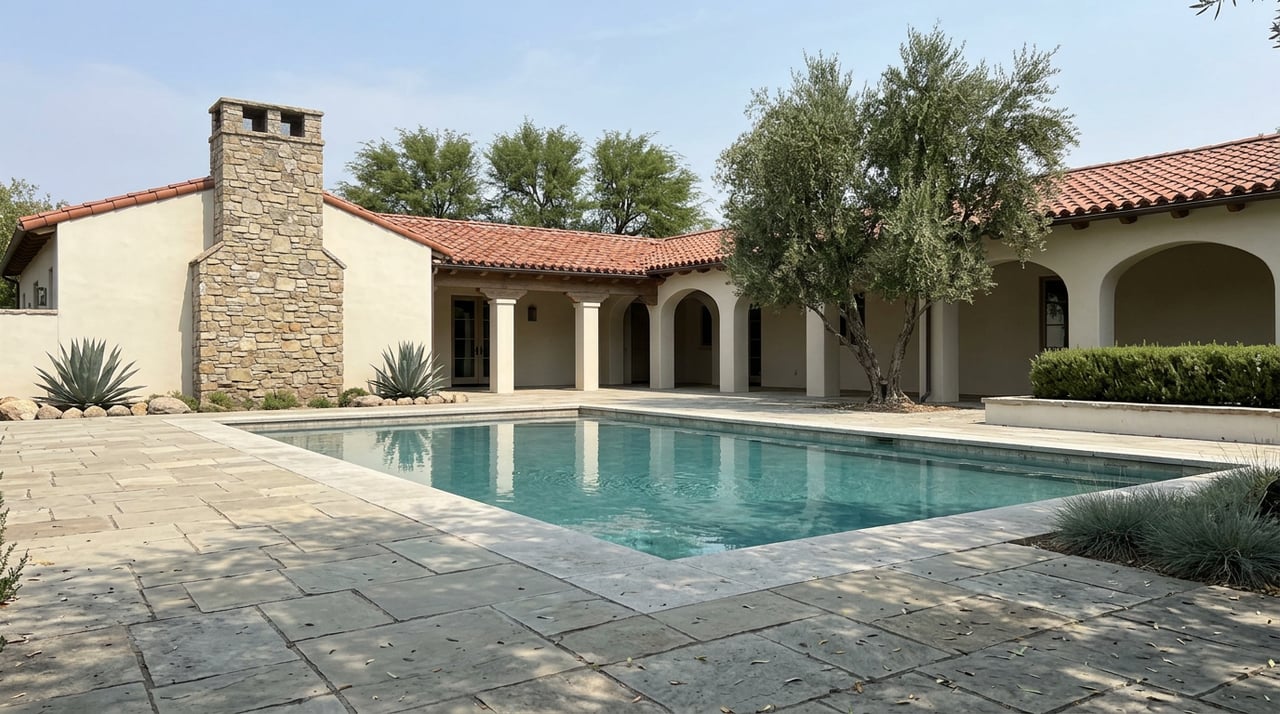
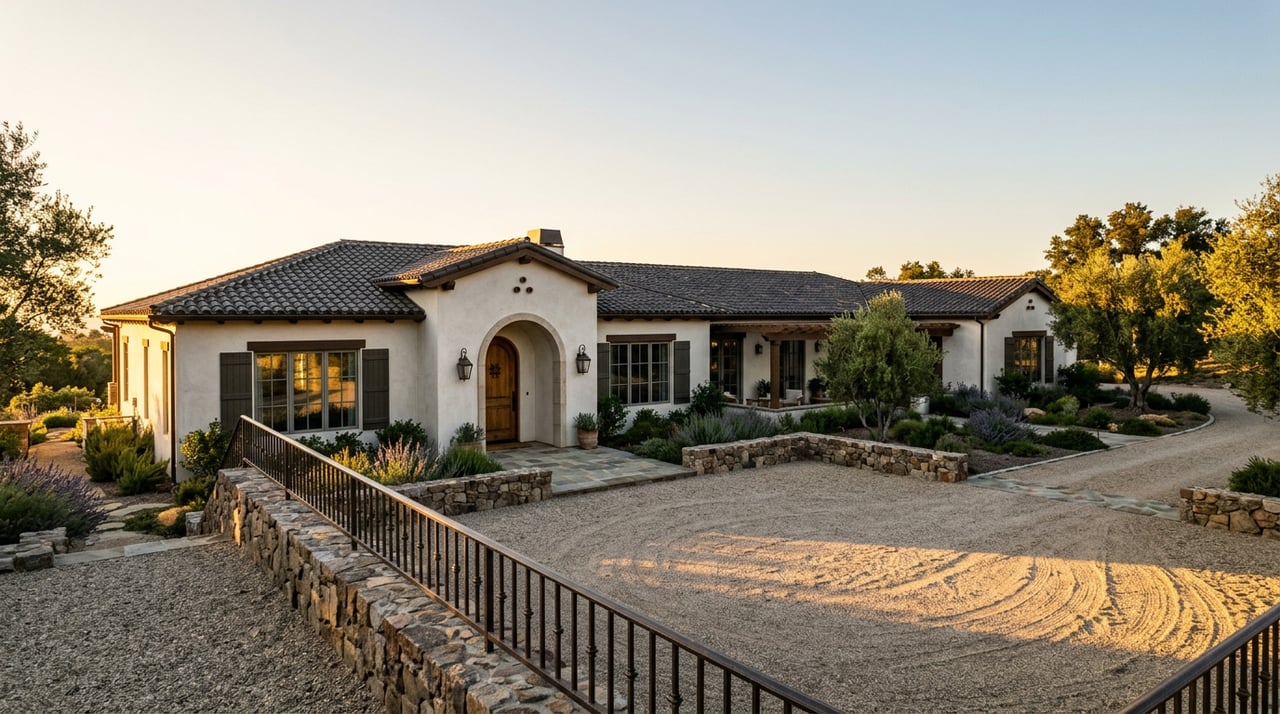
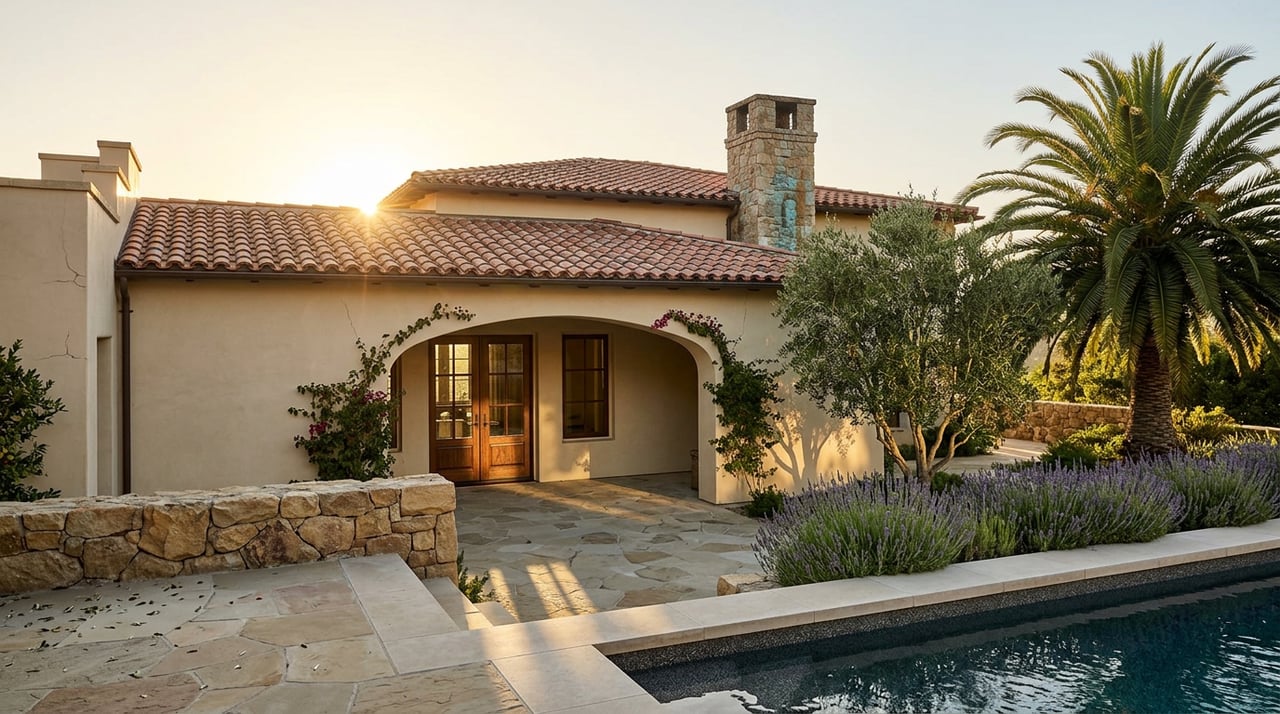
Fullerton Heritage’s architectural styles overview describes Mission Revival homes as having stucco walls, arched openings, low-pitched tile roofs, shaded porches, and symmetrical forms. Spanish Colonial Revival became especially influential in Fullerton during the 1920s and 1930s, and Skyline Park was developed as a showcase for the style.
These homes can be beautiful, but buyers should look carefully at stucco condition, roof materials, flashing, and long-term moisture management. Small exterior issues can become expensive if water gets in.
Monterey Revival Homes
Monterey Revival homes were popular from 1915 to 1940 and often include two-story forms, low-pitched gable roofs, balconies, and plaster walls. Balconies are one of the first places to inspect closely.
You will want to understand the condition of the balcony structure, railings, and roof drainage, especially where balcony elements connect to the house. Those areas can be vulnerable over time.
Cottage, Storybook, and Tudor Revival Homes
These styles often stand out for steep roofs, textured materials, chimneys, and distinctive windows. They can have tremendous curb appeal, but their rooflines and material transitions deserve careful review.
When touring these homes, look closely at roof condition, chimney flashing, and any wall materials that may be sensitive to moisture. Repairs in these areas can affect both cost and preservation approach.
Colonial Revival and Late Victorian Homes
Pre-1900 Fullerton homes are less common, and surviving Colonial Revival and late Victorian examples are especially notable, based on Fullerton Heritage survey information. These homes often reward careful preservation instead of broad replacement.
If you are buying one, original sash windows, trim, and woodwork may be worth repairing rather than removing. That can matter both for long-term value and for design review.
Start Inspections With Moisture
If you remember one thing, make it this: water is the biggest issue to investigate first. The National Park Service says uncontrolled moisture is the most prevalent cause of deterioration in older and historic buildings, and problems may show up inside before they are obvious outside in its guidance on controlling moisture.
That is why your inspection strategy should begin with the building envelope. Cosmetic updates can wait. Moisture problems usually cannot.
What to Check First
Ask your inspector to evaluate:
- Roof coverings
- Flashing details
- Gutters and downspouts
- Site drainage and grading
- Foundation drainage patterns
- Irrigation overspray
- Vegetation or vines touching the home
Even if a house looks well cared for, hidden water intrusion can affect wood, plaster, paint, and structural components.
Review Windows, Doors, and Ventilation
Historic windows are often a major talking point for buyers. The National Park Service weatherization guidance says repair should be the first option and notes that upgrades like weatherstripping or storm windows can improve comfort without removing character-defining materials.
That is useful if you love original windows but worry about efficiency. It also means replacement is not always the only path, and in some cases it may not be the preferred one.
The same guidance also warns against sealing a historic building too tightly. Reduced ventilation can create new moisture and performance issues, so upgrades should be thoughtful rather than aggressive.
Confirm Systems and Permit History
An older home can have charm and still need major system work. Before buying, ask what has been updated in the electrical, plumbing, HVAC, and water-heating systems and whether the work was permitted.
The Secretary of the Interior’s Standards for the Treatment of Historic Properties supports limited, sensitive upgrades to modern systems in preservation and rehabilitation projects. Fullerton’s historic resources page also notes that special requirements apply to modifications of historic structures, so past and future work both matter.
If much of the home remains original, you may want specialist inspections in addition to a general home inspection. That extra diligence can help you avoid underestimating what comes next.
Budget for Lead, Asbestos, and Older Materials
If the home was built before 1978, lead-based paint should be part of your due diligence. The EPA says the older the home, the more likely it contains lead-based paint, and it notes that 87% of homes built before 1940 have some lead-based paint.
Windows and doors can be common trouble spots because they are friction surfaces. If you plan to renovate, test before disturbing old finishes.
The EPA also advises that suspect asbestos-containing materials should be sampled by a trained professional if they are damaged or may be disturbed during renovation. This is not just a safety question. It is also a budget question.
Plan Your Budget Around Stabilization
Historic homes can be rewarding, but they do best when you budget in the right order. According to the National Park Service, ongoing maintenance and repair are usually preferable to broad replacement, and smaller projects handled early are often less expensive over time.
That is why your first budget buckets should usually be:
- Roof and drainage
- Moisture-related repairs
- Windows and exterior envelope
- Stucco or masonry repair
- Mechanical, electrical, and plumbing updates
- Interior finishes and cosmetic projects
This approach helps you protect the house before you personalize it. In many historic purchases, that is the difference between a manageable project and a stressful one.
Understand Residential Preservation Zone Rules
If the home is in a Residential Preservation Zone, your future plans may need additional review. The city says construction in these areas must keep with the traditional character of the neighborhood and is subject to design guidelines and review through its historic zones in review resources.
For buyers, that can affect timelines, design choices, and contractor selection. If you are hoping to expand, rework exterior details, or make visible changes, it is smart to talk with the city early instead of assuming the project is straightforward.
Consider Whether a Mills Act Contract Applies
Some qualified historic properties may participate in the Mills Act. The California Office of Historic Preservation explains that Mills Act contracts are administered locally, transfer to new owners when the property is sold, renew automatically each year, and require owners to restore, maintain, and protect the historic property.
Fullerton’s city page states that participating owners can receive property tax reductions. That can be meaningful, but it is important to weigh the benefit against the ongoing obligations tied to the contract.
In other words, a lower tax bill may come with a higher commitment to preservation. Make sure you understand both sides before closing.
Questions to Ask Before You Buy
When you are serious about a historic home in Fullerton, these are smart questions to bring to your agent, inspector, and city contacts:
- Is the property a landmark, significant property, historic district property, or in a Residential Preservation Zone?
- Is there a Mills Act contract tied to the property?
- When was the roof last repaired or replaced?
- Is there evidence of past leaks, failed flashing, or rotten decking?
- Do gutters, grading, and drainage move water away from the house?
- Are original windows repairable?
- What system upgrades have been completed, and were permits pulled?
- Has the home been tested for lead-based paint or suspect asbestos?
- Will my renovation plans require design review or compatibility review?
The more clearly you can answer these questions before closing, the more confident your decision will be.
The Best Historic Purchases Are Well Understood
In many cases, the strongest historic-home purchase is not the one with the fanciest finishes. It is the one with a sound envelope, understood systems, and a realistic scope of remaining work. When the major risks are known, you can enjoy the character of the home instead of constantly reacting to surprises.
If you are thinking about buying a historic home in Fullerton, working with local guidance matters. Christine Kennedy can help you evaluate the details, connect the dots between charm and cost, and move forward with a clearer strategy.
FAQs
What should you check first when buying a historic home in Fullerton?
- Start with moisture-related issues like the roof, flashing, gutters, drainage, grading, and signs of water intrusion.
What historic designations can affect a Fullerton home purchase?
- A home may be a local landmark, a significant property, part of a historic district, or located in a Residential Preservation Zone, and each can affect review requirements and owner obligations.
What architectural styles are common in Fullerton historic homes?
- Buyers often see Craftsman, Mission Revival, Spanish Colonial Revival, Monterey Revival, Cottage, Storybook, Tudor Revival, Colonial Revival, and some late Victorian homes.
What should you ask about systems in an older Fullerton house?
- Ask what electrical, plumbing, HVAC, and water-heating updates have been made and whether permits were pulled for that work.
What does a Mills Act contract mean for a Fullerton buyer?
- A Mills Act contract may offer property tax reductions, but it also transfers with the property and requires ongoing restoration, maintenance, and protection of the historic home.
What hazards should buyers consider in older Fullerton homes?
- In pre-1978 homes, lead-based paint is a major concern, and suspect asbestos-containing materials should be professionally evaluated if damaged or likely to be disturbed during renovation.