If you want a neighborhood where you can grab dinner, catch a train, stroll to a park, and still feel connected to the character of old Fullerton, you are not alone. Many buyers looking near Downtown Fullerton want more than a home. They want a lifestyle that feels convenient, lively, and easy to enjoy day to day. This guide will help you compare the most walkable neighborhoods near downtown, understand the housing styles you are likely to see, and spot a few practical tradeoffs before you start touring. Let’s dive in.
Why Downtown Fullerton Stands Out
Downtown Fullerton is the city’s strongest car-light area and the original townsite center. The city describes it as a district with more than 70 historic buildings, sidewalk cafes, specialty restaurants, unique shops, entertainment venues, upscale apartments, and a regional transportation center.
That mix matters if walkability is high on your list. You are not just close to restaurants and shops. You are also near everyday destinations, public spaces, and transit options that can make daily life feel simpler and more connected.
Metrolink’s Fullerton Station at 120 E. Santa Fe Avenue serves the Orange County and 91/Perris Valley lines, with OCTA and Amtrak connections. The station also serves more than 350,000 passengers a year, which shows how important this area is as a regional hub.
What “Walkable” Looks Like Here
In Fullerton, walkability near downtown often comes from older planning patterns. Fullerton Heritage notes that many bungalow courts were built within walking distance of downtown so residents could reach social, economic, and transportation amenities more easily.
You can still feel that pattern today in the surrounding historic blocks. Streets tend to connect well, homes often sit closer to downtown than you might expect, and nearby parks and gathering spaces help support a more pedestrian-friendly lifestyle.
Public-space anchors in and around the area include Hillcrest Park, Amerige Park, and the Downtown Plaza around the museum center. These places add breathing room to downtown living and give you options beyond dining and nightlife.
Best Walkable Neighborhoods Near Downtown Fullerton
Downtown Fullerton and SOCO Edge
If you want the highest walkability and the least dependence on a car, this is usually the first place to look. The downtown core is known for recurring live music, events, and a concentrated dining scene, which makes it the most activity-rich option near the center of town.
Housing here is typically different from what you will see in surrounding historic residential pockets. Expect more apartments, condos, loft-style units, and other lower-maintenance homes rather than classic single-family houses on larger lots.
This area can be a strong fit if you value convenience, easy access to entertainment, and proximity to the train station. If your priority is a quieter residential feel, you may prefer one of the nearby neighborhood pockets just outside the core.
West Wilshire Avenue
West Wilshire is one of the best downtown-adjacent choices if you want walkability with a more residential setting. Fullerton Heritage describes Wilshire-Woods-Wickett Square as six blocks west of downtown and a cohesive collection of mostly 1920s homes shaped by some of the city’s most active contractors.
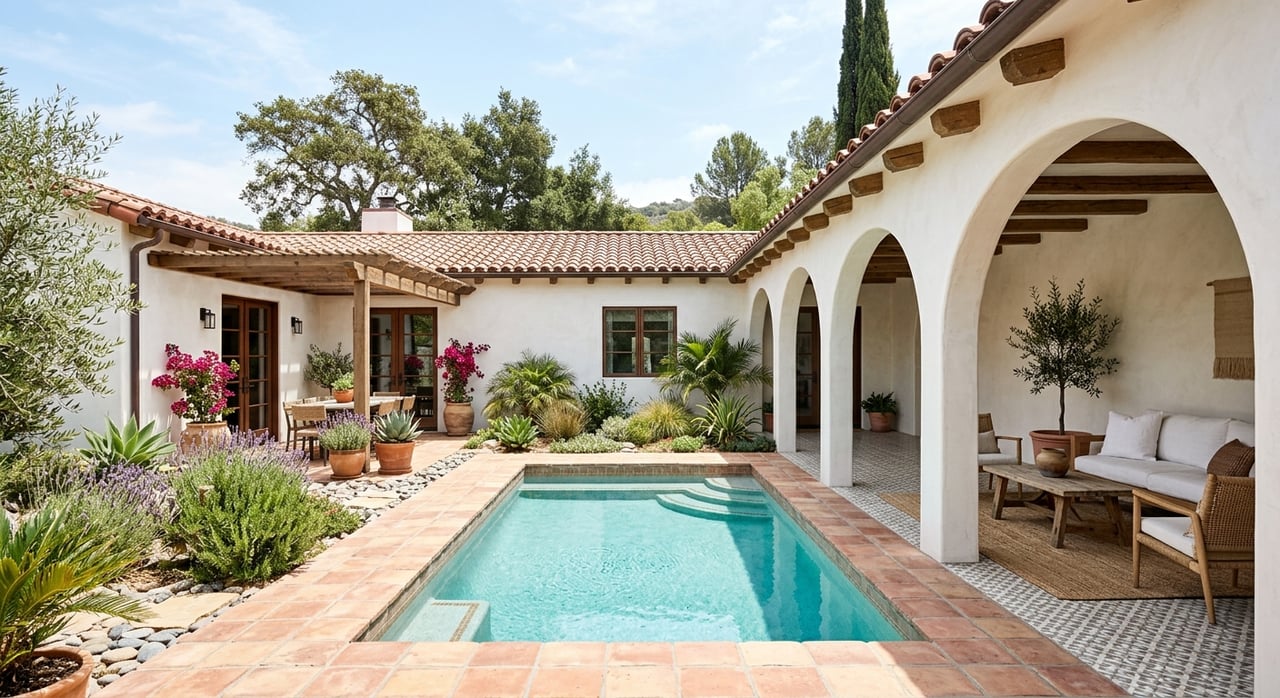
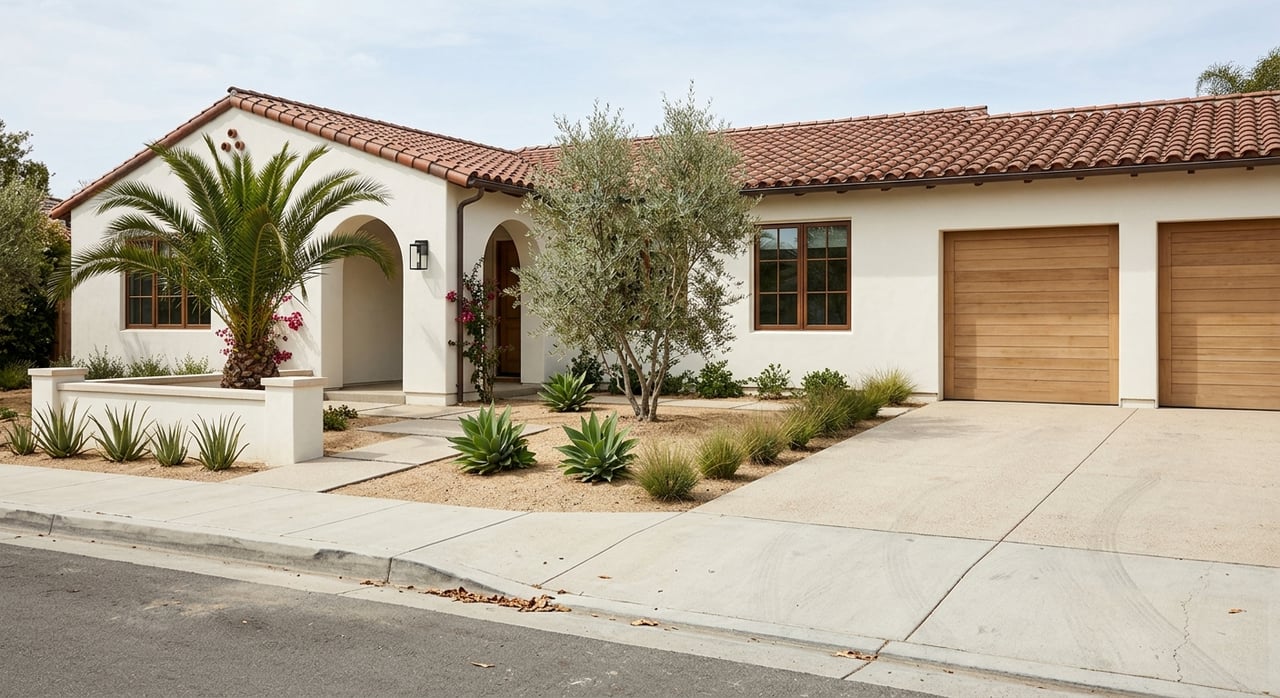
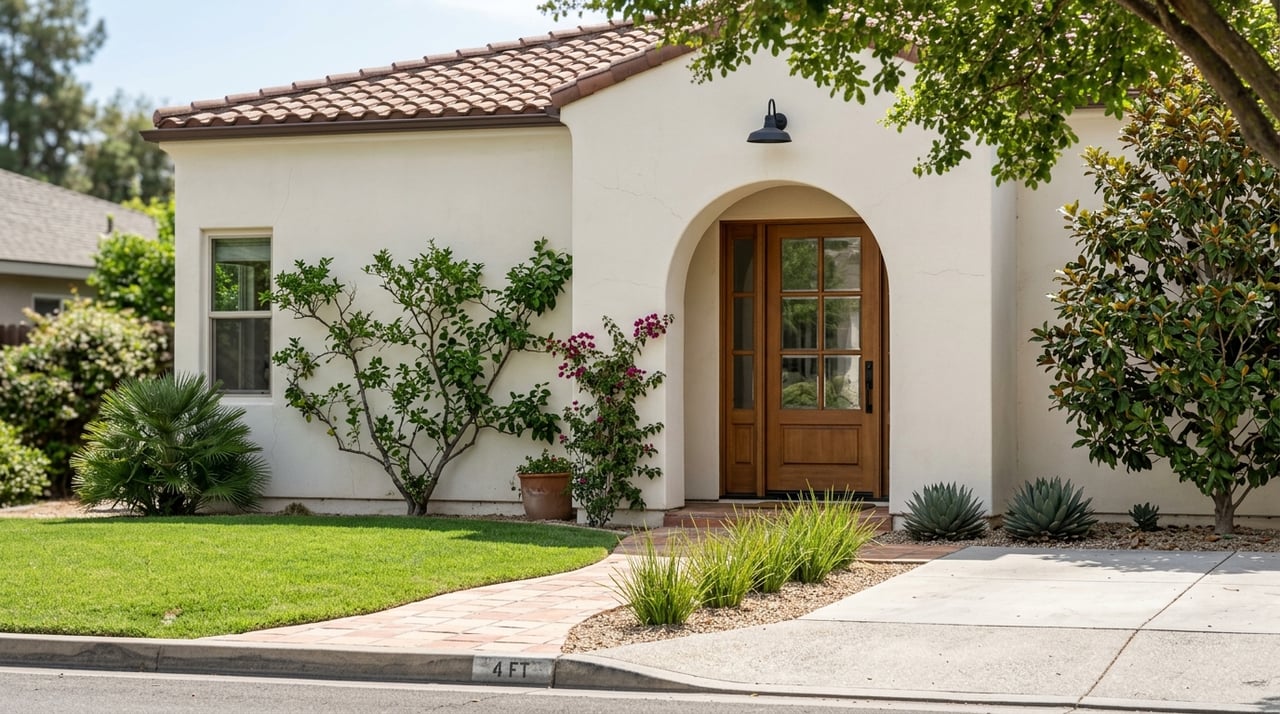
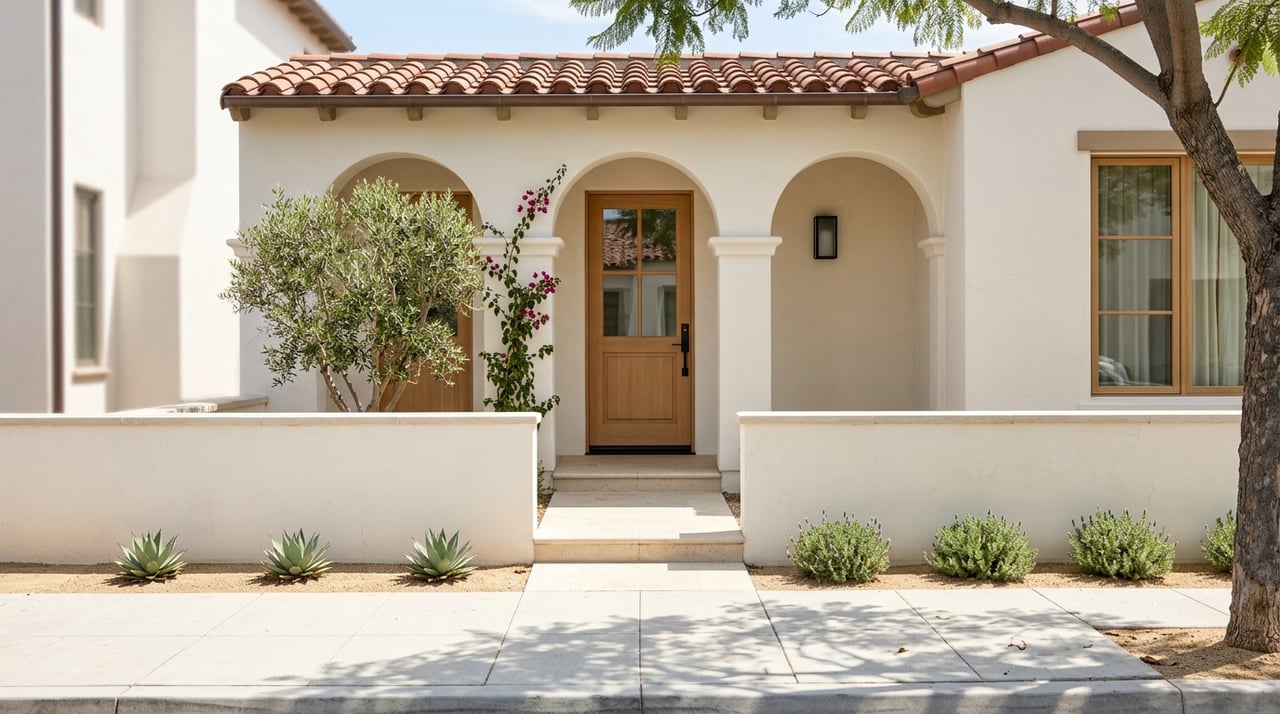
The West Wilshire block itself was built in 1922 and 1923 on very small lots. Homes here are often compact early-20th-century single-family residences, including Minimal Traditional and Spanish Colonial Revival styles, with alley-access garages and a calmer neighborhood scale than the downtown core.
For many buyers, this area hits a sweet spot. You stay close enough to enjoy downtown on foot, but the street experience feels more like a traditional neighborhood.
West Whiting Avenue and Townsite West
West Whiting is another strong pick if you want old-urban character and easy walking access to downtown. The 200 and 300 blocks of West Whiting are described as the best-preserved west-side residential neighborhood within the original townsite.
The housing stock dates mainly to the early 1920s. You will typically find one-story bungalows, revival-style homes, mature landscaping, old street lamps, and even a rare Spanish-style bungalow court.
This area often appeals to buyers who want historic single-family homes rather than condos or larger suburban lots. If charm and proximity both matter to you, West Whiting deserves a close look.
College Park
College Park offers a quieter historic setting that still sits within the downtown orbit. Fullerton Heritage describes it as a twelve-block area that was part of the original townsite but was not divided into residential lots until 1922.
The prevailing home style is the California bungalow, with Spanish Colonial Revival and cottage homes mixed in. The neighborhood also includes an R-2P preservation zone intended to keep new construction compatible with the established historic streetscape.
One thing to know is that the feel can vary by block. Lots fronting Chapman and Commonwealth are treated differently because many carry commercial zoning, so some stretches may feel less purely residential than others.
East-Side Historic Blocks
If you want to stay near downtown but are open to a slightly quieter environment, the east-side historic blocks are worth researching. Areas such as East Whiting and Stanford feature moderate-cost housing from the 1920s, especially Spanish Colonial Revival and Cottage styles.
East Valencia Drive offers modest pre-World War I homes with early Colonial Revival and California bungalow influences, along with mature street trees and a strong early-20th-century streetscape. These neighborhoods can offer a nice middle ground between access and quiet.
For buyers who love older homes but do not need to be in the heart of downtown, the east side may offer the right balance. You are still connected to the core, just with a bit more separation from the busiest blocks.
Golden Hill Areas
Upper and Lower Golden Hill sit north of the original townsite. These areas trade some walkability for larger lots, more view-oriented streets, and more substantial single-family homes.
Architecturally, you may see Spanish Colonial Revival, Cottage, and Minimal Traditional examples. If your priority is space, setting, or lot size, these neighborhoods may be more appealing than the denser downtown-adjacent districts.
That said, they are not the top choice if your goal is a truly car-light lifestyle. They make more sense for buyers who want to stay near Downtown Fullerton without centering their search on walking distance alone.
How to Choose the Right Fit
The best neighborhood depends on how you want your week to feel, not just your weekends. A lively district can be exciting and convenient, while a quieter street a few blocks away may feel more comfortable if you want historic character without as much activity.
Here is a simple way to think about the main options:
| Neighborhood area | Best fit for | Typical housing |
|---|---|---|
| Downtown Fullerton / SOCO edge | Buyers who want top walkability, nightlife, and transit access | Apartments, condos, loft-style homes |
| West Wilshire | Buyers who want walkability with a residential feel | Compact 1920s single-family homes |
| West Whiting / Townsite West | Buyers who want charm and easy downtown access | Historic bungalows and revival-style houses |
| College Park | Buyers who want a quieter historic district near downtown | Bungalows, cottages, Spanish Colonial Revival homes |
| East-side historic blocks | Buyers who want older homes and a middle-ground setting | 1920s and earlier historic single-family homes |
| Golden Hill areas | Buyers who value larger lots and views over pure walkability | Larger historic single-family homes |
Historic District Rules to Know
Many of the most walkable neighborhoods near downtown also have formal historic district or preservation-zone protections. The city states that special requirements can apply to modifications of historic structures, and planning materials direct owners to residential preservation zone guidelines and downtown design standards.
For you as a buyer, that means charm can come with added review for additions, remodels, and visible exterior changes. This is not necessarily a drawback, but it is an important part of the decision if you plan to update a home after closing.
Before you fall in love with a property, it helps to understand what may be regulated. That is especially true in neighborhoods where architectural character is one of the biggest reasons buyers want to live there.
Parks and Public Spaces Matter Too
Walkability is not only about errands and restaurants. In Downtown Fullerton, nearby parks and public gathering spaces play a big role in how livable the area feels from day to day.
Hillcrest Park gives you a major public open space just north of the core. Amerige Park sits south of downtown, and the Downtown Plaza around the museum center adds another central gathering place.
When you tour homes near downtown, it is worth noticing how these public spaces fit into your routine. They can shape everything from your morning walk to how often you choose to spend time outside close to home.
A Smart Buyer Strategy
If you are serious about buying near Downtown Fullerton, it helps to tour more than one neighborhood type. A condo in the downtown core, a bungalow in West Whiting, and a compact single-family home in West Wilshire can offer very different daily experiences even when they are all close to the same center.
Pay attention to the details that affect your routine. Think about your comfort with activity levels, the type of home maintenance you want, how important transit access is, and whether historic-district guidelines fit your plans.
That kind of comparison usually leads to better decisions than focusing only on square footage or list price. When your neighborhood matches your lifestyle, the right home often becomes much easier to spot.
If you are exploring walkable neighborhoods near Downtown Fullerton and want help narrowing the options, Christine Kennedy can help you compare neighborhood character, housing styles, and the day-to-day fit so you can move forward with confidence.
FAQs
Which neighborhood near Downtown Fullerton has the best walkability?
- Downtown Fullerton and the SOCO edge generally offer the highest walkability, the easiest access to nightlife, and the least dependence on a car.
What types of homes are common near Downtown Fullerton?
- Housing varies by area, but the downtown core is mostly apartments, condos, and loft-style homes, while nearby historic neighborhoods feature bungalows, cottages, and other early-20th-century single-family houses.
Is West Wilshire near Downtown Fullerton a good choice for buyers who want a house instead of a condo?
- Yes, West Wilshire is a strong option if you want a compact historic single-family home within walking distance of downtown amenities.
What should buyers know about historic neighborhoods in Fullerton?
- Several downtown-adjacent neighborhoods are historic districts or preservation zones, so exterior changes and visible remodels may be subject to special city review.
Are there parks near walkable neighborhoods in Downtown Fullerton?
- Yes, nearby public-space anchors include Hillcrest Park, Amerige Park, and the Downtown Plaza around the museum center.
Which Downtown Fullerton neighborhood is best for a quieter historic feel?
- West Whiting, West Wilshire, College Park, and some east-side historic blocks are often better fits for buyers who want charm and downtown access with a calmer setting.