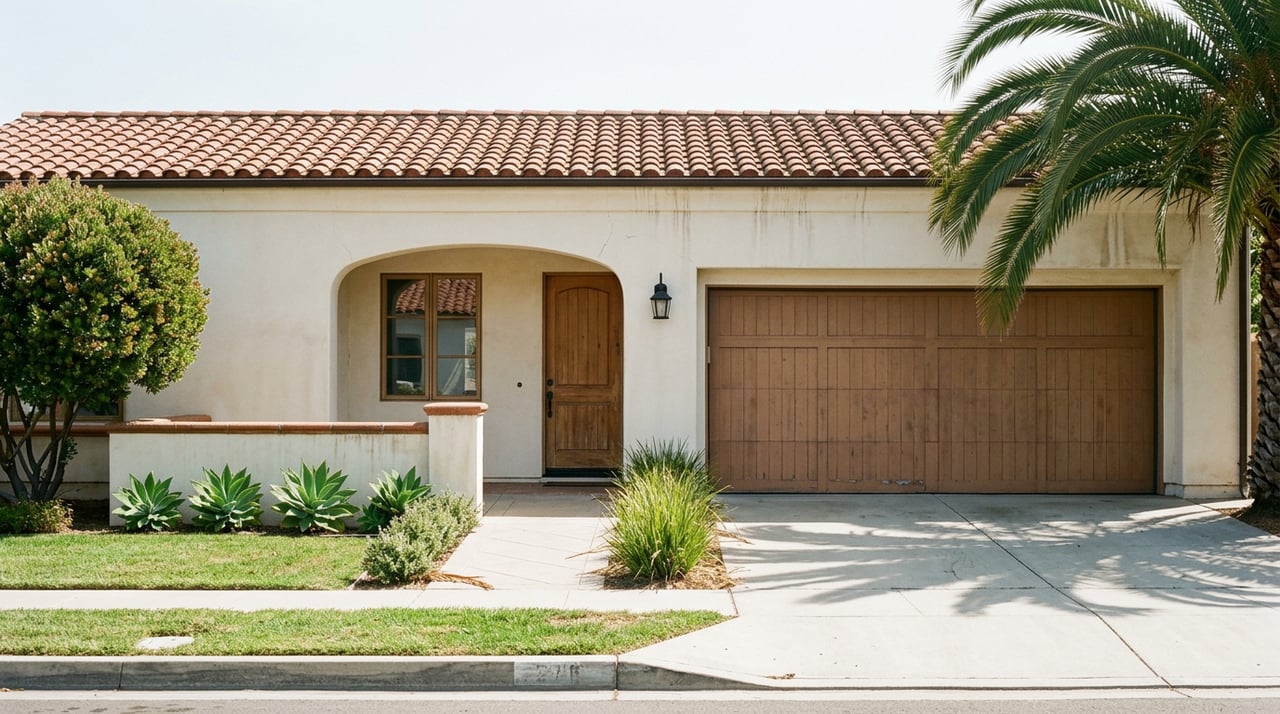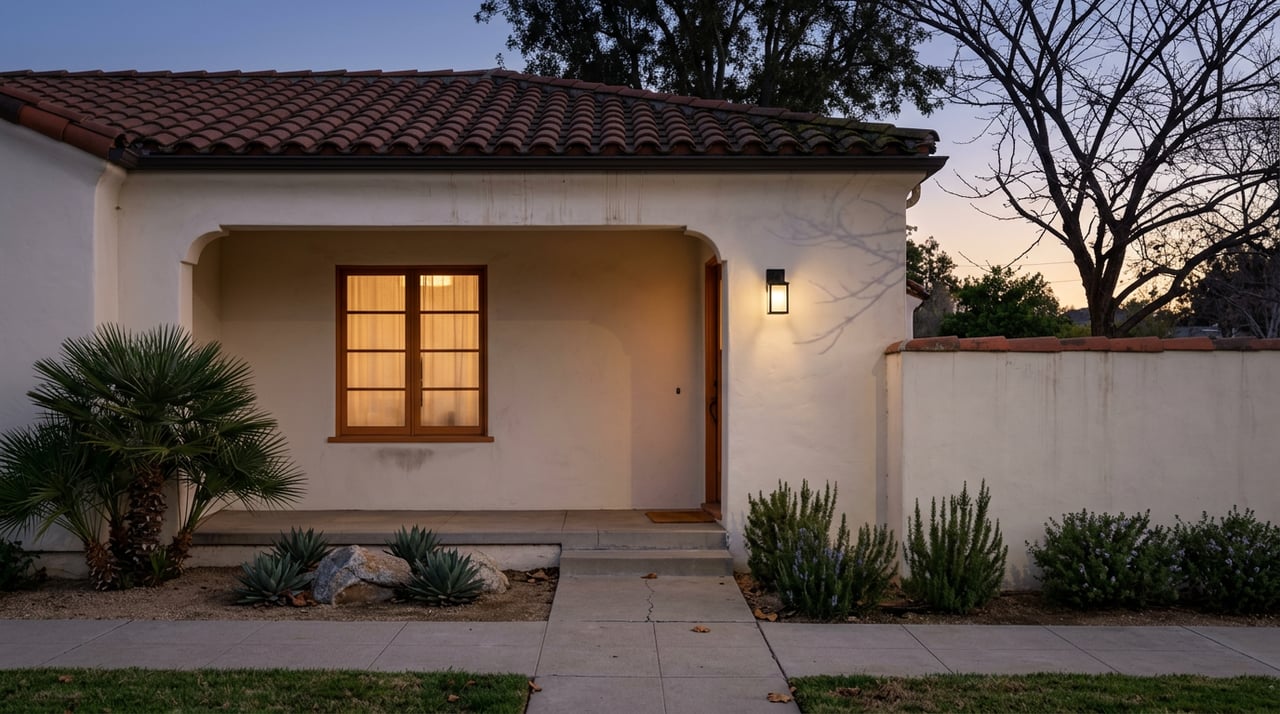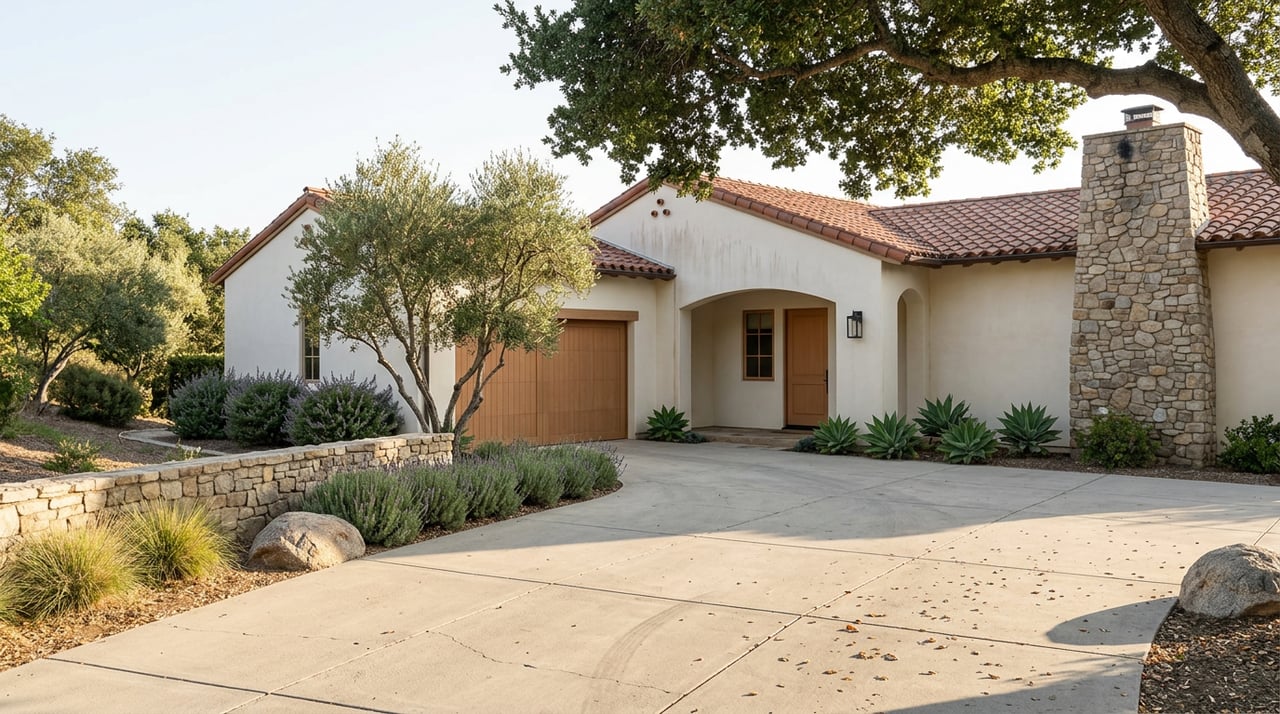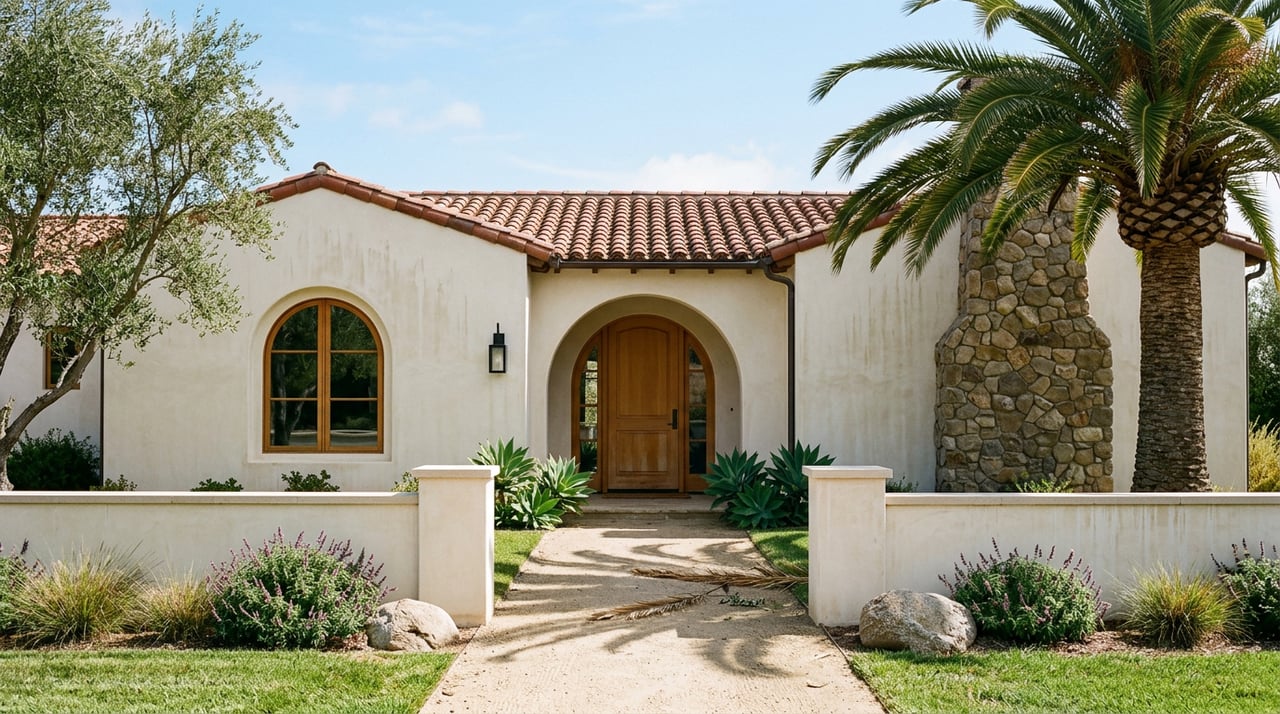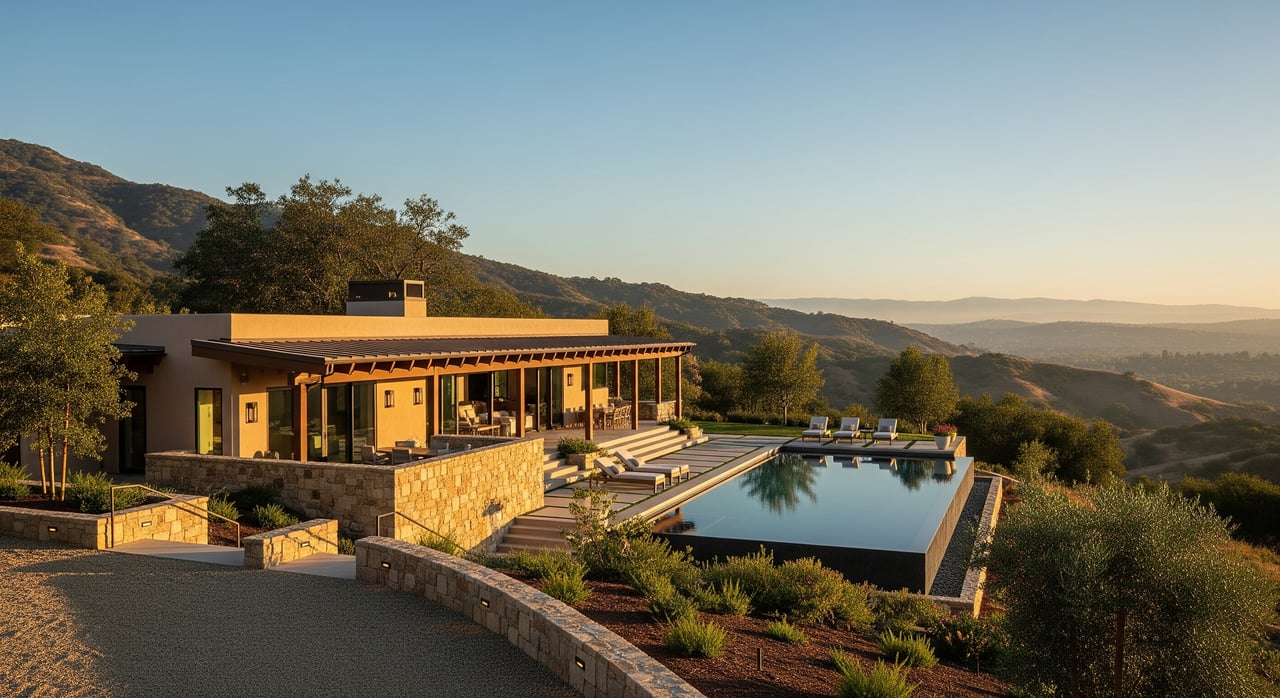
Craving more space, privacy, and sweeping hillside views without leaving the LA–OC corridor? La Habra Heights can deliver all of that, but acreage living here comes with real responsibilities. If you are debating a move from a suburban tract to a larger, rural parcel, you deserve a clear picture of the lifestyle, costs, and due diligence that go with it. This guide walks you through the key tradeoffs, risks, and checks so you can decide with confidence. Let’s dive in.
What acreage living looks like
La Habra Heights is an unincorporated pocket of eastern Los Angeles County with rural residential character. Parcels are often an acre or more, with hillside terrain, ridgelines, and natural vegetation. Many properties support equestrian use or hobby agriculture.
You get privacy, separation from dense development, and room to create outdoor living spaces. The tradeoffs are real. Expect winding roads, longer drives to retail and job centers, and service response that can differ from nearby incorporated cities.
The big questions to ask yourself
Before you fall in love with a view, check your fit:
- Lifestyle: Do you value seclusion, land-based hobbies, and outdoor space more than convenience and walkability?
- Time and skills: Are you comfortable managing vegetation, private roads, and contractor schedules, or will you budget for help?
- Budget: Can you plan for higher insurance in fire zones and ongoing costs like tree work, fuel reduction, and septic maintenance?
- Commute and access: Are you okay with narrow, winding roads and longer drives to services compared with tract neighborhoods?
- Risk tolerance: Are you comfortable with wildfire realities and hillside conditions common to the area?
Wildfire reality and preparedness
La Habra Heights sits in Southern California’s wildland–urban interface. Many parcels are mapped as high or very high fire hazard severity. Treat wildfire planning as essential.
- Defensible space is required by state rules like PRC 4291 and county guidance. Plan for vegetation clearance, ember-resistant design, and ongoing maintenance.
- Insurance can be more complex. Properties in higher risk zones may face higher premiums or limited options. Contact insurers early to confirm coverage and cost.
- Access matters. Evaluate ingress and egress routes, driveway width and slope, and whether multiple evacuation options exist.
Water and wastewater basics
Water sources vary by parcel. Some properties connect to a regulated water company. Others rely on small private systems or wells. Wastewater is often handled by onsite septic systems rather than municipal sewer.
Key checks to make:
- Confirm your water source. If a well is present, request well logs, pump details, and recent water quality tests.
- For septic, get permits, system age, pumping history, and any perc or dye test results. Ask about capacity relative to bedroom count.
- Review any water-service easements or community water agreements tied to the parcel.
Hillside topography, geology, and permits
Hillside living brings unique building and permitting requirements. New construction or major remodels may require grading permits, geotechnical reports, and specialized foundations or retaining systems.
Steep terrain increases the chances of erosion or landslides, especially after wildfires and heavy rains. Standard seismic risk applies, so structural work must meet current codes. Get comfortable with the permit path before you plan any significant improvements.
Utilities, access, and daily services
Electricity, gas, and communications are available, but reliability and restoration times can differ in rural settings. Broadband may require specific providers, including satellite or fixed wireless in some locations.
Roads are often narrow, steep, and sometimes privately maintained. Confirm whether the driveway and access roads are county maintained or private, and whether you share maintenance costs. Trash pickup, mail delivery, and emergency services are typically available, but schedules and response times can differ from city neighborhoods.
What it costs to maintain acreage
Plan for a higher and more variable maintenance budget than a typical suburban yard. Common recurring needs include:
- Vegetation management and defensible space clearance
- Tree pruning, removal, and hazardous-tree mitigation
- Fencing, gates, and road or driveway upkeep
- Well servicing and water testing if applicable
- Septic pumping every few years, plus potential repairs
- Pest and rodent control
- Insurance that reflects wildfire risk
Actual costs vary widely by acreage, slope, vegetation, and whether you hire vendors or do some work yourself.
Easements, title, and boundaries
Larger rural parcels often include easements for utilities and access. Some areas have covenants or HOAs, while others do not. Boundaries can be less obvious than in tract neighborhoods, so a recent survey is often worth the expense. Your title report should confirm easements, rights of way, and recorded restrictions.
How to evaluate a specific property
Request documents and perform site checks early in your review:
- Seller disclosures plus addenda for wells, septic, and known hazards
- Title report with all easements, rights of way, and any covenants
- Parcel map and recent boundary survey to confirm acreage and encumbrances
- County zoning designation and setbacks for your plans
- Fire hazard mapping and defensible-space rules affecting the parcel
- Water documentation: well logs, pump specifications, and recent test results, or a service agreement if on a small system
- Wastewater: septic permits, pumping history, perc or dye tests, and any repair records
- Grading and building permits, plus any geotechnical or geology reports
- Recent utility bills and a list of service providers
- Road maintenance agreements if access is private or shared
Professionals to consider hiring:
- Home inspector with rural systems experience
- Septic contractor or county environmental health inspector
- Well contractor or hydrogeologist
- Geotechnical engineer for slope and foundation review
- Arborist for tree health and hazard assessment
- Surveyor if boundaries or acreage are uncertain
- Insurance broker to verify wildfire coverage and premiums early
Smart questions during site visits:
- Are roads and driveways passable year-round, and who maintains them?
- Has the parcel burned in previous wildfires, and what mitigation was completed afterward?
- Where are utility lines located, and are there overhead lines on or near the property?
- How close are neighboring homes, and are there visual buffers?
Acreage vs nearby tract neighborhoods
Acreage advantages:
- Privacy, views, and room for horses or hobby agriculture
- Customization potential and separation from neighbors
Acreage tradeoffs:
- Higher maintenance time and cost, plus more complex permitting
- Higher wildfire and geologic exposure, with insurance and utility variability
- Narrower resale pool compared with tract homes
Tract neighborhood advantages nearby:
- Lower day-to-day maintenance with common municipal services
- Easier financing and insurance, plus closer access to retail and transit
- More uniform comparable sales and predictable valuation
Choose acreage if seclusion and land-based living are top priorities and you are ready for the upkeep. Choose a tract neighborhood if convenience, predictable services, and lower maintenance matter more.
Next steps with a local guide
If acreage living in La Habra Heights is calling you, bring a seasoned local advisor into the process early. A hands-on team can help you line up the right inspections, review parcel-specific records, and coordinate vendors so you can make a confident decision. If you are exploring options, reach out to Christine Kennedy for a friendly, no-pressure conversation about your goals and a step-by-step plan tailored to you.
FAQs
What makes La Habra Heights different from nearby cities?
- It is an unincorporated, low-density area with larger hillside parcels, limited commercial zoning, and a rural feel compared with surrounding tract neighborhoods.
How risky is wildfire in La Habra Heights for homeowners?
- Many parcels lie in high or very high fire hazard areas, so you should plan for defensible space, mitigation work, evacuation planning, and early insurance verification.
Are most La Habra Heights homes on septic systems?
- Many acreage properties rely on onsite septic rather than municipal sewer; verify permits, age, pumping history, and capacity before you buy.
Will I have reliable internet on a hillside acreage parcel?
- Service varies by location; some parcels use wired providers while others rely on satellite or fixed wireless, so confirm options and speeds in advance.
What inspections should I order when buying acreage in La Habra Heights?
- Hire a rural-experienced home inspector, septic and well specialists if applicable, a geotechnical engineer for hillside sites, and an arborist, plus consider a boundary survey.
How does acreage living affect homeowners insurance costs?
- Properties in higher wildfire zones can face stricter underwriting and higher premiums; consult an insurance broker early to confirm coverage and pricing.