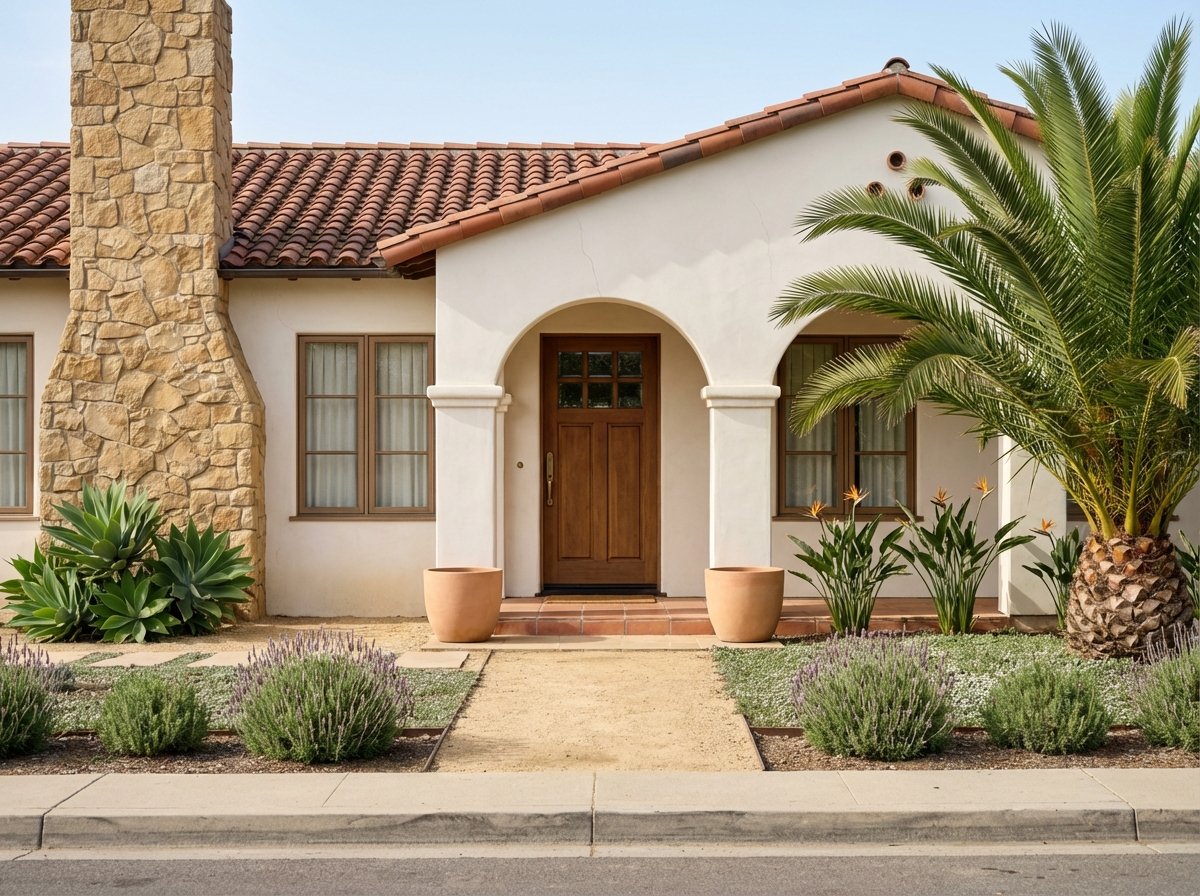
What makes one Whittier home sell high while another sits or draws low offers? If you plan to sell in the next 6 to 18 months, you want a clear picture of what buyers pay for and how pricing actually works. You also want to know which small upgrades and prep steps can lift your net. This guide breaks down the local data and the real-world levers that move value, then shows how a pro sets your price range. Let’s dive in.
Whittier market snapshot
Citywide trackers show a strong market to start 2026, with different methods producing different numbers. Redfin’s January 2026 median sale price sits near $880,000 with a median of about 52 days on market and roughly $552 per square foot. Zillow’s Whittier Home Value Index (ZHVI), a modeled value index, reads about $804,850 through January 31, 2026. The gap reflects method and timing. A sale-price median reports what closed, while ZHVI is an index of typical home values.
Mortgage costs also shape demand. In early February 2026, the 30‑year fixed rate averaged about 6.1% according to the Freddie Mac Primary Mortgage Market Survey. Rates influence purchasing power and how quickly buyers write offers.
The local factors that move your price
Location and micro-markets
In Whittier, location is more than a ZIP code. Walkable pockets in Uptown and areas near Whittier College often see stronger buyer demand, and many buyers watch boundaries tied to preferred services and amenities. By contrast, some outlying or unincorporated pockets can track differently. For exact neighborhood names and public projects that support value, use the City’s Planning Services.
Schools and public services
Many buyers filter their search by district boundaries or individual schools. That means school zones can guide comp selection when agents or appraisers set value. If you want to understand how your address aligns, review district listings and neutral resources like GreatSchools’ Whittier page. Keep your language factual and avoid quality claims; focus on boundaries and access.
Commute and access
Access matters for commute times to LA and Orange County. The I‑605 corridor, Whittier Blvd, and key arterials influence day-to-day convenience. Regional rail access at the Norwalk / Santa Fe Springs station on the OC Line is a draw for some buyers; check schedules and station info on the OCTA Metrolink page. Good access can expand your buyer pool, which supports price.
Condition, layout, and systems
What appraisers adjust for
Most single-family homes are valued using the Sales Comparison Approach. Appraisers and agents begin with recent nearby sales, then adjust for measurable differences like total living area, bed and bath count, lot size, condition, and functional layout. For a plain-English overview of how this works, see the Appraisal Institute’s guide for consumers.
Why updates matter
Buyers often pay a premium for homes that feel move-in ready. A cosmetic refresh, a functional 3‑bed/2‑bath layout, and solid major systems can translate into stronger offers and fewer days on market. The gap between an updated home and one that needs a full kitchen or bath overhaul can exceed the cost of minor fixes because buyers discount for time, disruption, and project risk.
Improvements and ROI
You do not need to remodel the whole house to improve your outcome. National ROI studies show that targeted, budget-minded projects tend to return the best percentage of cost at resale. According to Remodeling Magazine’s Cost vs. Value, exterior projects like a new garage door and focused “minor” kitchen updates often top the charts for percent recouped. Use neighborhood standards as your guardrail, and keep finishes neutral.
Presentation, media, and staging
First impressions happen online. Professional photos, a 3D tour, and simple staging help buyers see the space and remember your listing. The National Association of Realtors reports that many agents see staging raise offers by 1 to 10 percent, and they commonly see time on market shorten. Read more in the NAR Profile of Home Staging. Industry studies also associate pro photography and 3D tours with faster sales, though effect size varies by price tier and competition.
How agents and appraisers set your price
The steps to a price range
Here is the typical process for a comparative market analysis or appraisal:
- Define the market area. This often means your street and the immediate neighborhood.
- Pull recent closed sales from CRMLS and county records within the last 3 to 6 months.
- Select 3 to 6 closest comps that match bed and bath count, square footage, lot size, and condition.
- Adjust each comp for differences like added square footage, an extra bath, a superior lot, or recent renovations.
Appraisers document market‑supported adjustments. Agents layer on local insight like buyer traffic, offer volume, and current competition. For method basics, the Appraisal Institute is the industry standard.
Range vs. single number
Your agent will usually present a value band and recommend a list price at a point within that band so you can choose a more aggressive or more conservative strategy. An appraiser provides a single opinion of value as of a specific date, often for a lender. Both rely on the same core data, but the goals differ slightly. Marketing strategy can also factor in how many competing homes are active near your price point.
Market conditions and timing
Pricing also depends on where the market is headed. Agents track days on market, the number of competing listings, and how often homes sell above or below list. One common gauge is months of supply, also called absorption. The simple formula is explained here by Saleswise: months of supply equals active listings divided by homes sold per month. Lower months of supply often point to a seller-leaning market, while higher supply can require more conservative pricing.
Prep timeline for 6–18 months out
Short-term priorities (6–12 weeks before listing)
- Declutter, deep clean, and apply neutral paint where needed.
- Schedule professional photos and a 3D tour for launch week.
- Tackle minor fixes, replace burnt-out bulbs, and check door and lock hardware.
- Order pre-listing termite or roof inspections if you suspect issues.
- Freshen landscaping for curb appeal.
These steps line up with NAR’s staging research, which highlights decluttering, minor repairs, and pro media as high-impact moves.
Mid-term projects (2–6 months before listing)
- Resolve permit or code items and gather plans for past renovations.
- Collect HOA docs and disclosures early if applicable.
- Consider targeted updates like a minor kitchen refresh, bathroom touch-ups, or a new garage door that align with Cost vs. Value ROI patterns.
- Right-size the scope to your neighborhood so you do not over-improve.
If you are weighing a larger project, some homeowners explore adding a small ADU for flexibility. Whittier provides preapproved ADU plans and guidance. If an ADU is not on your timeline, focus on simple, high-visibility wins instead.
Local resources to verify details
Accurate facts make for better comps. Start by confirming your parcel’s year built, lot size, and recorded data using the Los Angeles County Assessor’s public tools. The PAIS help page explains how to access parcel maps and facts. For neighborhood amenities and planning updates, visit the City’s Planning Services. For commute and rail options, check OCTA’s Metrolink schedules. For rate context, review Freddie Mac’s PMMS when you get close to listing.
Request a personalized valuation
When you ask for a comparative market analysis, prepare these items to speed things up:
- Property address, your name as the deeded owner, and any HOA details.
- Invoices or permits for renovations like kitchen, bath, ADU, roof, or HVAC.
- Floor plan or measured living area, year built, and lot size from the assessor.
- Target timing and whether you prefer to live in the home during showings.
- Mortgage payoff amount and any goals for net proceeds.
These details help your agent select the right comps and make accurate adjustments. If you need help organizing prep work, programs like concierge-style fronting of improvement costs may be available through your brokerage, with repayment at closing. Ask about options that fit your timeline and budget.
Ready to see where your home fits in today’s market and what to do next? Reach out to Christine Kennedy for a friendly, data-backed valuation and a clear prep plan.
FAQs
What do January 2026 Whittier price numbers mean?
- Redfin’s median sale reflects closed deals that month, while Zillow’s index models typical values over time; both are useful, but methods differ, so always compare like with like.
Do school boundaries affect my Whittier home’s value?
- Many buyers filter searches by district or specific schools, so boundaries can influence comp selection and demand; verify neutral info using resources like GreatSchools’ Whittier page.
Which pre-listing projects usually pay off?
- Exterior curb appeal and minor kitchen updates often deliver the strongest percent of cost at resale according to Cost vs. Value; scale to neighborhood norms.
How much can staging and pro photos help?
- NAR reports many agents see staging raise offers by 1 to 10 percent and reduce days on market, and industry studies tie pro media to faster sales; results vary by price tier and competition.
How do agents adjust for market shifts before I list?
- Your agent will track months of supply, days on market, and list-to-sale patterns, then time-adjust comps; see a simple absorption formula explained by Saleswise.
What documents should I gather for a pricing appointment?
- Collect permits and invoices for renovations, a floor plan or measurements, assessor facts, HOA docs, and your ideal timeline; the LA County Assessor PAIS helps verify basics.