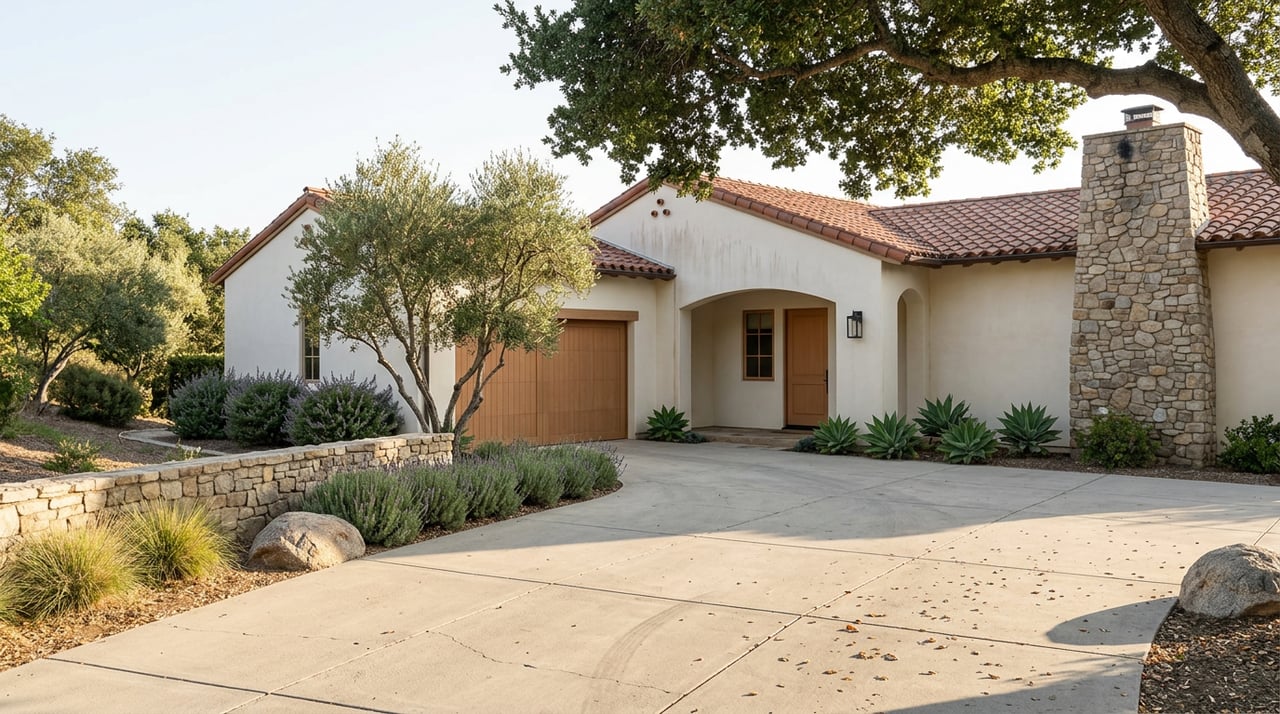
A house in La Habra Heights typically lists for close to double what a house sells for in flatland La Habra, one town over and one county away. That much shows up on any portal search. What doesn't show up, unless you do the arithmetic yourself, is that the Heights home often costs less per square foot. Not a little less in some cases. Sometimes a third less.
That inversion is the whole story for anyone shopping both markets at once. A higher median price does not mean a pricier house. It means a different product: more land, a septic system instead of a sewer connection, a private hillside road instead of a curbed tract street, and a mortgage that almost certainly clears into jumbo territory. The house on top of that land is almost incidental to what you're actually paying for.
A Median That Doubles, a Square Foot That Doesn't
Start with the numbers as they stand right now. As of July 2026, 23 houses were listed for sale in La Habra Heights, priced from $1,099,888 to $2,990,000, with a median list price of $1,599,888. The most recent completed-sale figures from Redfin, covering December 2025, put the median sale price at $1.5 million, up 9.3 percent year over year, with homes taking a median of 86 days to sell. Zillow's home value index, updated through June 30, 2026, shows the average home value at $1,405,371, up 2.5 percent over the past year.
A few minutes down the hill, in flatland La Habra, the picture looks almost like a different metro. Redfin's completed-sale figures from February 2026 put the median sale price at $878,000, up 7.7 percent year over year, with a median price of $589 per square foot and homes selling in about 20 days. Zillow's home value index for the same city, updated on the same monthly schedule as the Heights figure above, shows the average home value at $796,902, essentially flat, down 0.2 percent over the past year, with homes going pending in around 11 days.
| La Habra Heights | La Habra | |
|---|---|---|
| Median sale price | $1.5M (Dec 2025, Redfin) | $878K (Feb 2026, Redfin) |
| Home value index | $1,405,371 (updated Jun 30 2026, Zillow) | $796,902 (Zillow, same update cycle) |
| Price per square foot | not centrally reported | $589 (Feb 2026, Redfin) |
| Typical days on market | 86 (Dec 2025, Redfin) to 71 (Jul 2026, Homes.com) | 11–20 |
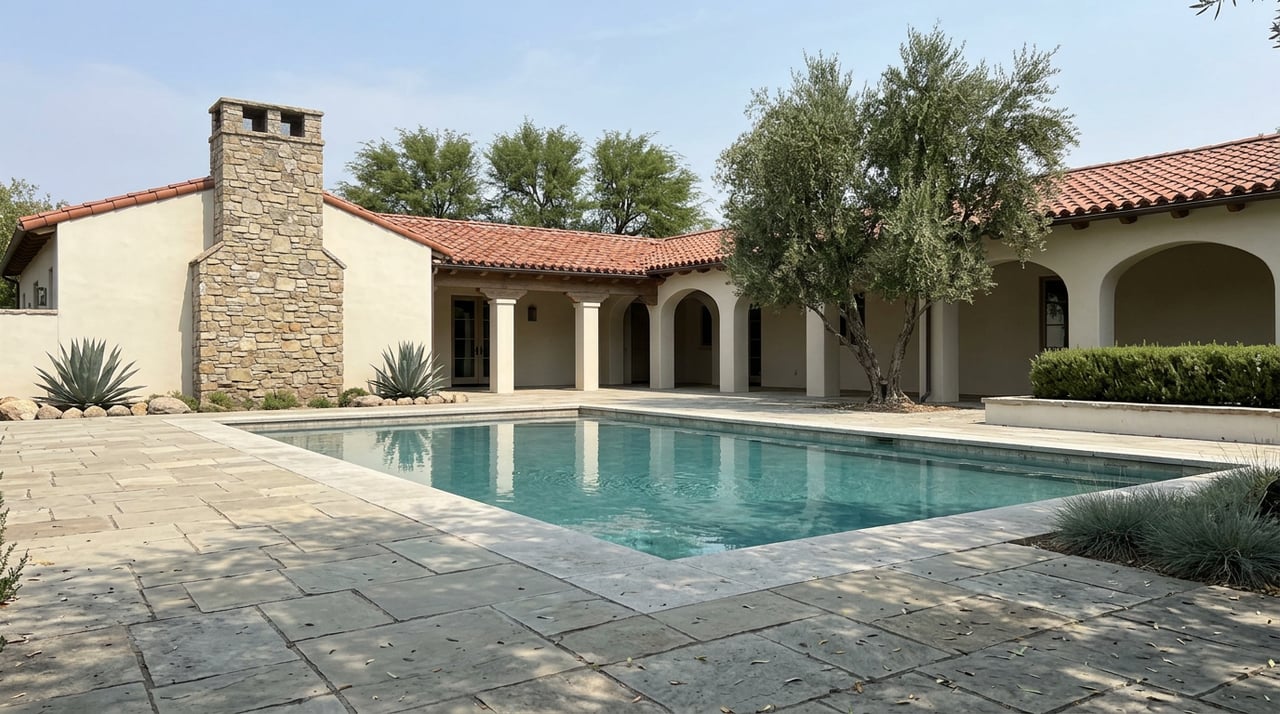
La Habra Heights doesn't publish a clean citywide price-per-square-foot figure the way La Habra does, so do the math yourself using what's actually on the market. Current listings run from around 2,780 square feet up to 6,448 square feet. Apply that July 2026 median list price of $1,599,888 across that range and a smaller home lands close to La Habra's $589-per-square-foot mark. A larger one, on the same size lot, prices out closer to $250 to $370 a square foot. The zoning fixes the land. The house on top of it is close to a rounding error.
There's a second wrinkle worth sitting with. Redfin's sold-price data shows La Habra's median climbing 7.7 percent year over year through February 2026, while Zillow's broader value index for the same city sits essentially flat through June. Both can be true at once. A median sale price tracks whatever happened to close that month, and if a handful of larger or updated homes sold, the median moves even if the typical house in town hasn't gained real value. Whichever number you're quoted, ask what it's actually measuring before you build a budget around it.
One Acre, Since 1949
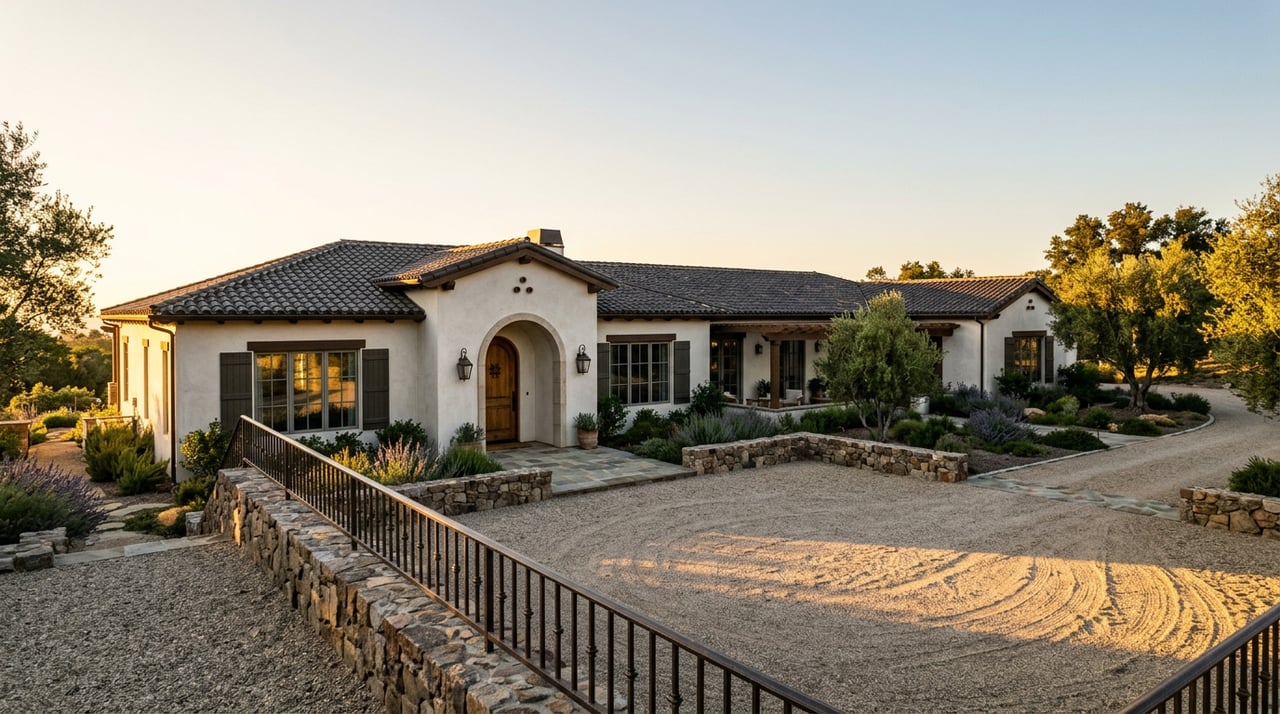
The reason Heights lots run large and La Habra lots don't traces back to a single zoning decision. La Habra Heights has operated as a one-acre-minimum city since 1949, when residents converted the entire community to RA-1 zoning. The stated reasoning was the terrain itself: steep hillsides, narrow scenic roads, and a resident preference for space over density. That rule has held for over 75 years, and it's the reason a Heights parcel and a La Habra parcel aren't really comparable line items even when they sit a few blocks apart on a map.
An acre minimum does two things to price. It caps how many homes can ever exist in the city, which supports the median. It also means every buyer is purchasing a fixed, substantial land component before a single square foot of house enters the equation. In La Habra, where lots run far smaller, more of the sale price reflects the structure. In the Heights, more of it reflects the dirt.
The Septic Line Nobody Puts on a Spec Sheet
Nearly every home in La Habra Heights runs on a septic system rather than a public sewer connection, and the city's own rules around those systems are worth reading before you write an offer, not after.
According to the City of La Habra Heights, an existing septic system must be evaluated by a qualified septic contractor before certain projects proceed: if prior plans show the system is older than 15 years, if prior plans don't match the current floor plan, or if no plans exist at all. A properly maintained leach field or seepage pit can last 30 years or more, but any expansion or new construction requires the homeowner to designate and test a location for a future replacement system. And if public sewer runs within 200 feet of the property, the city won't issue a permit for septic repairs at all. Instead, the owner is required to connect to the sewer once the existing system fails.
None of that is a deal-breaker. It's a line item. Budget for a septic evaluation the way you'd budget for a roof inspection, and ask early whether the parcel sits within that 200-foot sewer radius, because that single fact changes what kind of repair is even legally available to you.
A Different Financing Tier Entirely
The 2026 conforming loan limit for Los Angeles County sits at $1,249,125. A median-priced Heights sale, at $1.5 million or more, clears that threshold by a wide margin, which means most Heights purchases require jumbo underwriting rather than a standard conforming loan. Jumbo loans typically come with larger down payment requirements, stricter reserve requirements, and a narrower field of lenders willing to write them.
A La Habra buyer at the $878,000 median rarely has to think about any of this. A Heights buyer should assume jumbo financing from the start of the search, not discover it during escrow. Getting pre-approved through a lender who actually underwrites jumbo loans regularly, before touring, saves weeks later.
Eighteen Feet Wide, No Curb, One Fire Department
Most La Habra Heights roads run about 18 feet wide, without curbs or sidewalks. That's not an aesthetic detail. It affects driveway grade, turnaround space, and whether fire equipment can reach a property in an emergency, all of which matter more in a hillside community than they would on a standard tract street. La Habra Heights also runs its own paid-volunteer fire department rather than contracting through a standard county arrangement, a reflection of exactly this kind of access concern.
If a listing sits on a private road or a shared easement, read the preliminary title report closely. Shared maintenance agreements, easement language, and access rights show up there in ways a flatland La Habra buyer would likely never have to parse.
What This Means If You're Comparing the Two Cities
The mistake is treating La Habra and La Habra Heights as the same market at two price points, comping one against the other, or pricing a Heights listing off La Habra's per-square-foot number. They're two incorporated cities in two different counties, with two different assessors, two different building departments, and two genuinely different products for sale.
If what you want is an acre of land, a septic system, room for horses, and real distance from the next roofline, the Heights is answering that question directly, and the longer time on market (86 days per Redfin's December 2025 report, versus La Habra's 20) reflects a smaller, more specific buyer pool rather than a weak market. If what you want is a finished, move-in-ready house on a standard lot with a faster close, La Habra's tighter timeline and lower entry price are doing exactly what they're supposed to do.
A Few Questions Before You Tour
Is La Habra Heights part of La Habra? No. They're separately incorporated cities. La Habra Heights sits in Los Angeles County; La Habra sits in Orange County, with its own property tax collector, school districts, and utility providers.
Do all La Habra Heights homes need a septic inspection to sell? The city requires an evaluation when a system is over 15 years old with documented plans, when plans don't match the current floor plan, or when no plans exist at all, and specifically triggers this before remodeling or expansion work. Ask the seller for the system's history and age before you're deep into escrow.
Why does a lower price per square foot come with a longer time on market? Fewer buyers are shopping specifically for an acre, a septic system, and hillside access, so homes sit longer even when they're fairly priced. That longer window is negotiating room for a patient buyer, not necessarily a sign of a soft market.
If you're weighing La Habra Heights against La Habra, or trying to figure out what a specific address is really worth once you account for the land, the septic system, and the financing tier, that's exactly the kind of comparison The Kennedys walk through with buyers and sellers across this corridor every week. Get a Free Home Valuation and we'll pull the actual comps, on the correct side of the border, before you write an offer.