Thinking about buying your first rental in La Habra? With home prices high and rents steady, it is smart to ask if the numbers truly work. You want a clear, local view before you commit your time and cash. In this guide, you will see current prices and rents, a simple cash flow example, and practical ways to tilt a deal in your favor. Let’s dive in.
La Habra rental snapshot
La Habra’s recent median sale price sits around $878,000, with homes often going under contract in about a month. Typical monthly rents citywide range roughly $2,300 to $3,300, with single-family homes commonly near $3,300 and 3-bed houses around the mid-$3,000s. Rents vary by condition and micro-area.
Historical planning documents show rental vacancy in the low to mid single digits and a general decline from earlier years, which supports a stable tenant pool. You can review the city’s housing element for context on vacancy and stock in prior cycles through the City of La Habra’s archived materials.
Population is about 62,000, and median household income is around $100,000, according to recent American Community Survey data. That income base helps size likely rent affordability and demand. For a quick demographic overview, see the La Habra profile on Census Reporter.
- City housing element context: see the City’s Housing Element PDF.
- Demographics: see the Census Reporter La Habra profile.
What works for first-time landlords
Single-family rentals
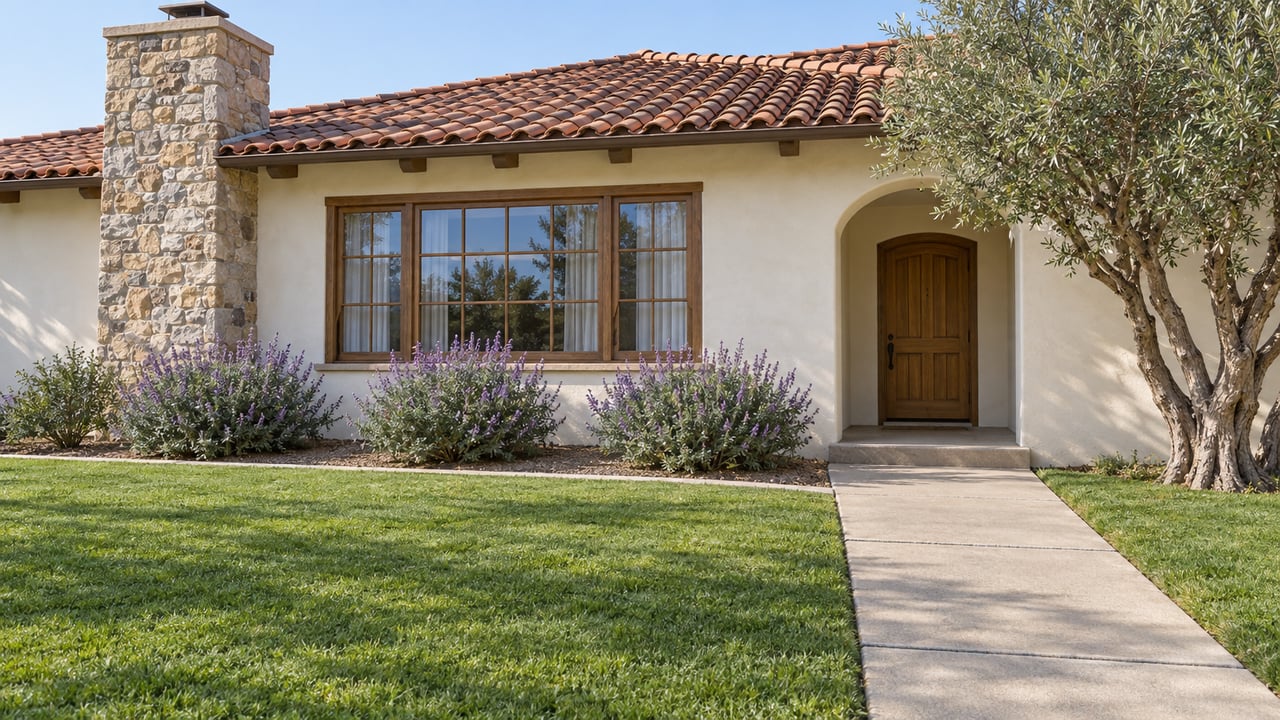
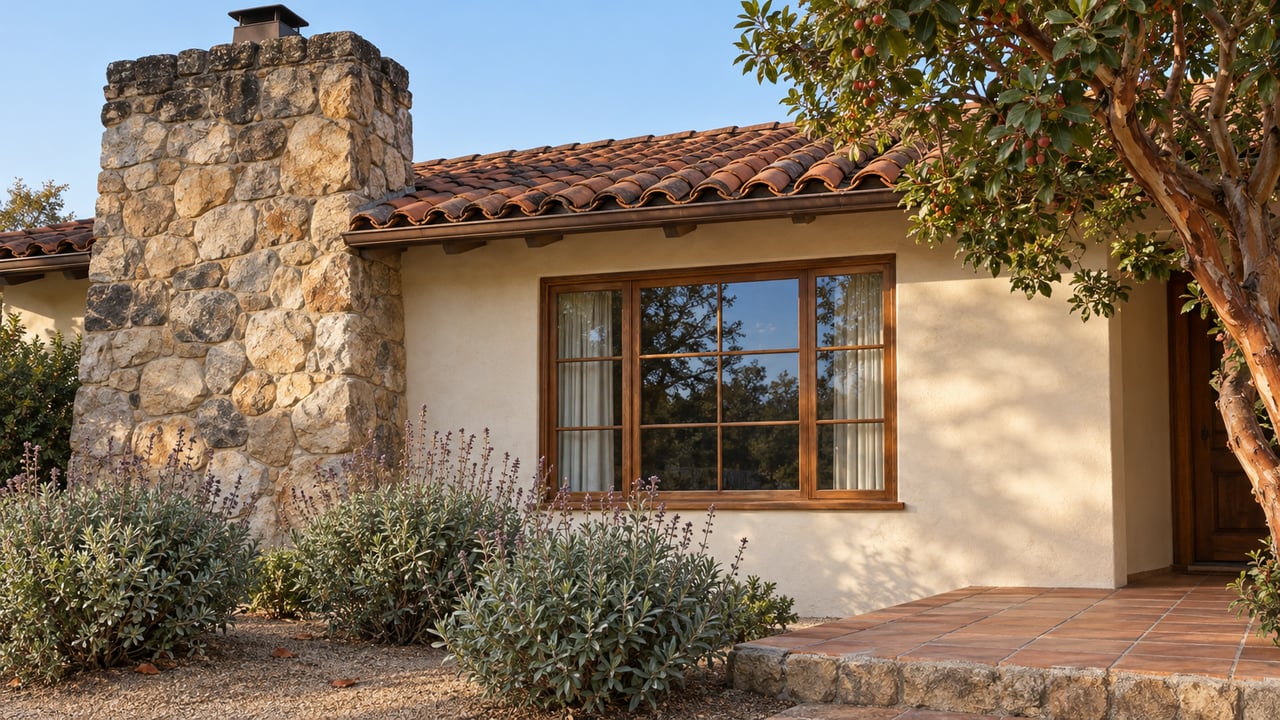
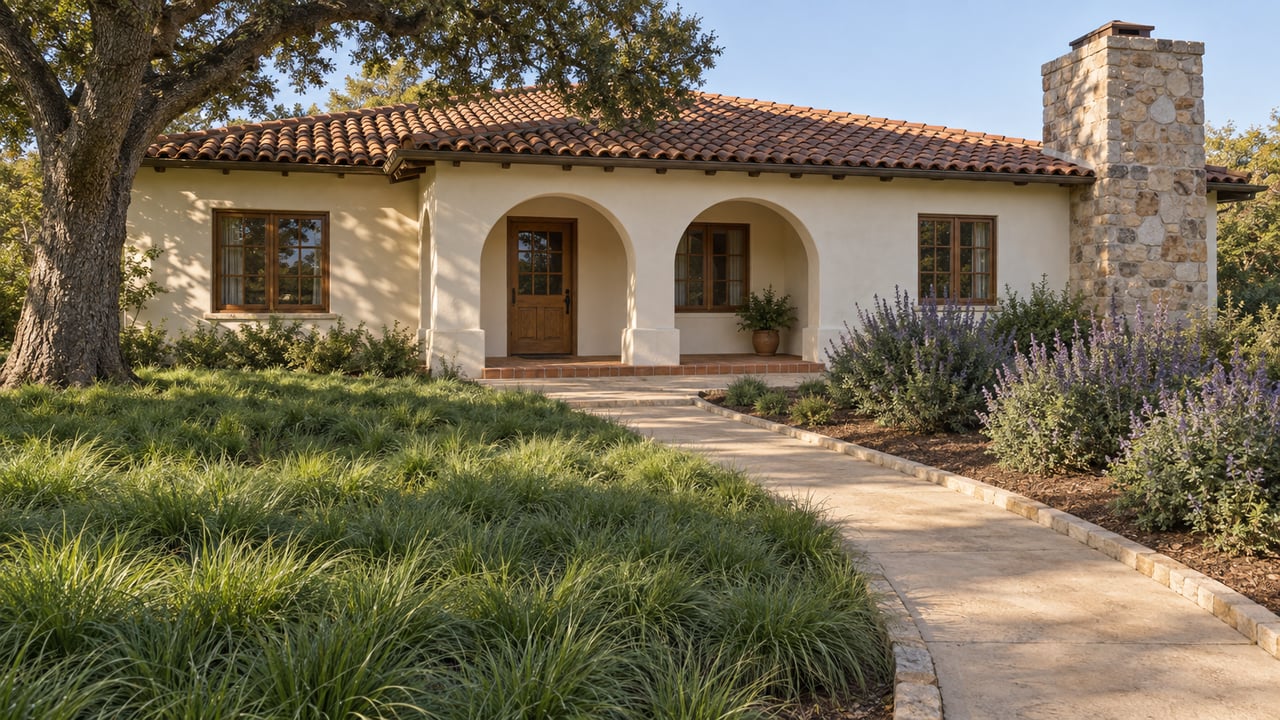
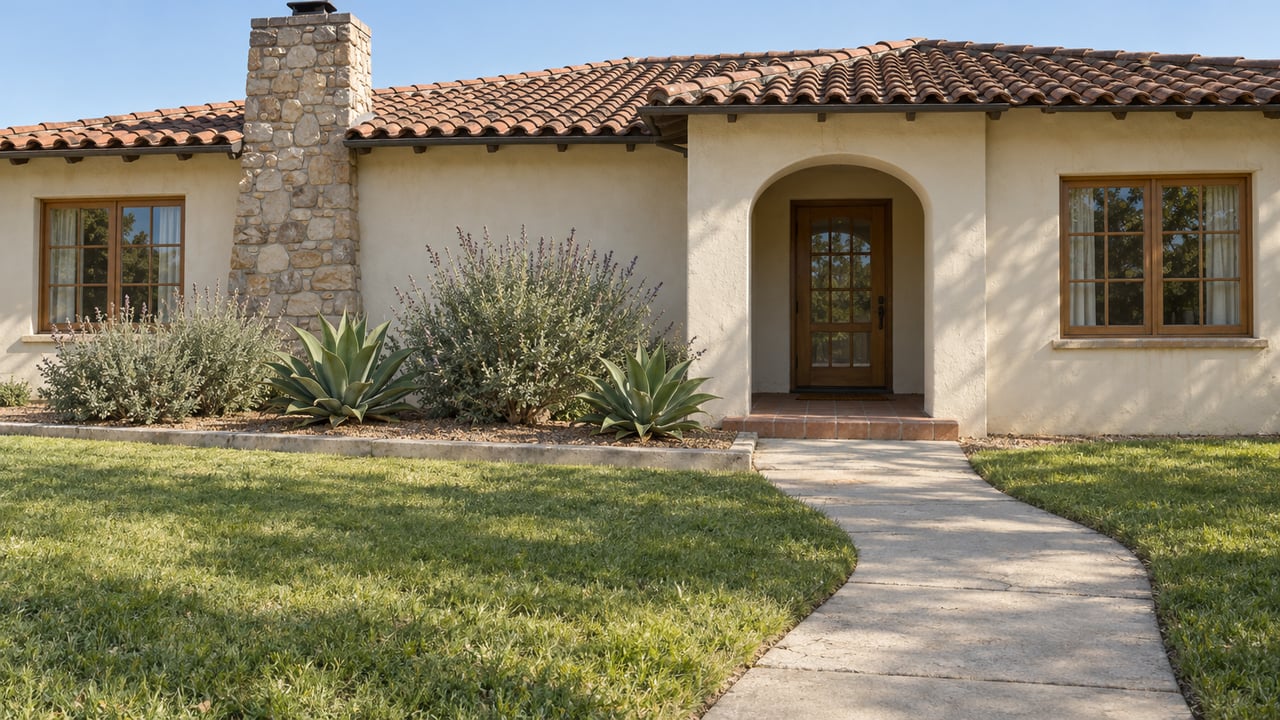
A straightforward entry point is a single-family home. Typical 3-bed houses in La Habra often rent in the mid-$3,000s. Purchase prices tend to be in the high $700,000s to low $900,000s. That price-to-rent ratio usually means lower gross yields. If you buy near market value with standard financing, expect thinner cash flow unless you add income or put more money down.
Duplexes and small multifamily
Duplexes and 2 to 4 unit properties can improve rent per dollar invested because you collect multiple rents on one lot. Southern California small multifamily sales have recently implied cap rates in the mid-4 to mid-6 percent range, depending on condition and financing. You can review recent Southern California trends in Northmarq’s multifamily insights for a sense of where yields have been.
ADUs and JADUs
Accessory Dwelling Units can add a second rental stream to a single lot. La Habra has aligned its ordinance with state law and offers a clear ADU information page with objective standards, submittal steps, and size and parking rules. Start with the City’s ADU page, then confirm your specific lot’s eligibility with Planning and Building.
- La Habra ADU information: City ADU page.
Run the numbers
Here is a quick framework you can reuse on any property:
- Gross scheduled rent = monthly rent × 12.
- Effective gross income = gross rent − vacancy and credit loss.
- Operating expenses = property tax + insurance + maintenance and turnover + management + owner-paid utilities + HOA (if any).
- Net operating income (NOI) = effective gross income − operating expenses.
- Cap rate = NOI ÷ purchase price.
- Debt service = monthly mortgage payment × 12.
- Cash flow before tax = NOI − debt service.
Example: typical La Habra SFR
- Purchase price: $878,000.
- Rent: $3,297 per month → $39,564 per year.
- Vacancy reserve at 5 percent: $1,978 → effective gross income ≈ $37,586.
- Operating expenses (illustrative):
- Property tax estimate at 1.1 percent of price ≈ $9,658. Check the Orange County Assessor for parcel-specific amounts.
- Property management at 8 percent of rent ≈ $3,165.
- Maintenance and reserves at 8 percent of rent ≈ $3,165.
- Insurance and other ≈ $1,200.
- Total operating expense ≈ $17,188.
- NOI ≈ $37,586 − $17,188 = $20,398.
- Cap rate ≈ 2.3 percent.
With 20 percent down and a 30-year fixed around 6.0 percent, the annual debt service on the remaining balance is roughly $50,000, which would produce negative cash flow using these typical inputs. This is a common outcome in high-price Orange County submarkets. For a current rate benchmark, see recent market coverage of average mortgage rates. For fine-grained payments, rely on your lender’s written quote.
- Property tax guidance: Orange County Assessor overview.
- Mortgage rate context: recent average rate coverage.
Strategies to improve cash flow
- Consider duplex or small multifamily to lift yield. Recent SoCal small-asset cap rates have often landed in the mid-4 to mid-6 percent band.
- Add income with a permitted ADU or JADU to create a second rent stream.
- Increase down payment to reduce debt service sensitivity at today’s rates.
- Focus on value-add potential that raises rent after repairs or updates.
- If you plan to accept thinner early cash flow, underwrite as a long-term hold where appreciation, principal paydown, and potential tax benefits contribute to returns. Confirm tax treatment with a CPA.
Rules, permits, and taxes to check
ADUs and SB 9
La Habra processes ADUs ministerially if your plans meet objective standards. The City’s ADU page outlines size, setbacks, parking, and submittal checklists. Some lots may also interact with SB 9 rules. Review the City’s SB 9 summary and coordinate with Planning for site-specific constraints.
- City ADU page: Accessory Dwelling Units in La Habra.
- City SB 9 summary: two-unit development and lot splits.
Tenant protections
California’s Tenant Protection Act (AB 1482) applies in many situations and limits annual rent increases and sets just-cause rules. Certain single-family homes may be exempt if they meet specific ownership and notice requirements. Read the bill text and confirm coverage with counsel before you buy.
- AB 1482 bill text: California Legislature site.
Property taxes and assessments
Orange County’s base property tax rate is generally around 1 percent of assessed value plus bonds and special assessments. Mello-Roos or local district charges can materially change the annual bill, so check the parcel’s actual tax history and current bill during escrow.
- Property tax overview: Orange County Assessor.
Quick decision checklist
- Pull 3 to 5 recent sold comps and 6 active rental comps for your exact neighborhood and property type.
- Get a written quote from a lender with rate, payment, and closing costs, then stress test for a 0.5 to 1.0 point rate change.
- Call La Habra Planning to confirm ADU eligibility, parking, and any easements that could affect placement and cost.
- Build a conservative pro forma with 5 to 8 percent vacancy, 7 to 10 percent management, and realistic repair reserves.
- Review AB 1482 coverage, local permitting timelines, and parcel-specific taxes with your advisor team.
- Speak with a CPA about depreciation, expense deductions, and 1031-exchange planning if relevant to your goals.
Is a La Habra rental a smart move?
If you need strong cash flow on day one, a typical single-family purchase near the median price may not pencil without a larger down payment or added income. Duplexes and ADU-capable lots often change the math in your favor. If you are comfortable with a long-term hold and value La Habra’s stable demand drivers, a well-underwritten property can make sense as part of a broader plan.
Ready to run the numbers on a specific address or talk through ADU and duplex options? Reach out to Christine Kennedy for local comps, on-the-ground insight, and a calm, step-by-step plan.
FAQs
What are typical La Habra single-family rents?
- Most single-family homes rent around the low to mid-$3,000s per month, with 3-bedroom houses commonly near the mid-$3,000s depending on condition and location.
How can I offset negative cash flow in La Habra?
- Target duplex or small multifamily, add a permitted ADU, make value-add upgrades to raise rent, or increase your down payment to reduce monthly debt service.
Are ADUs allowed in La Habra and what is the first step?
- Yes, ADUs and JADUs are allowed subject to objective standards; start with the City’s ADU page, then confirm your lot’s eligibility and submittal requirements with Planning.
Does California’s rent cap apply to my La Habra rental?
- AB 1482 applies in many cases, though certain single-family homes can be exempt if they meet ownership and notice rules, so review the bill text and consult counsel.
How do property taxes work for a new La Habra investment?
- Expect roughly 1 percent of assessed value plus bonds and assessments; verify the exact parcel tax bill with the Orange County Assessor and review for any Mello-Roos.