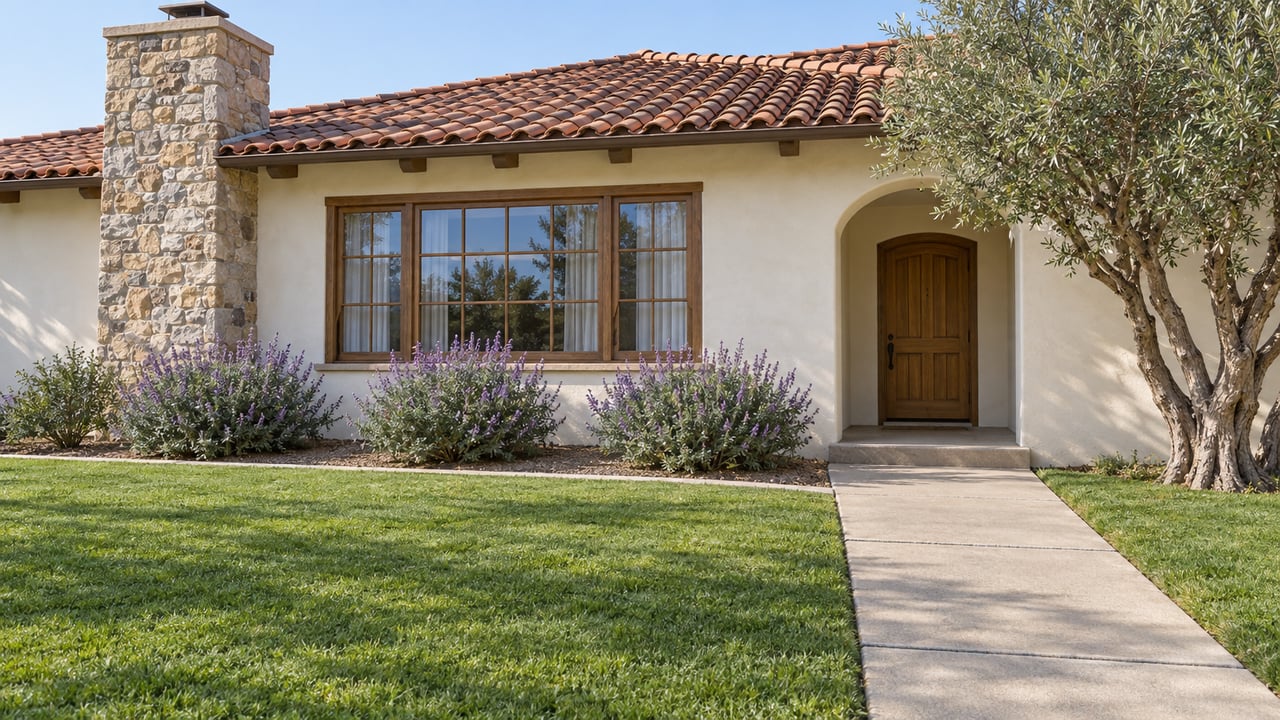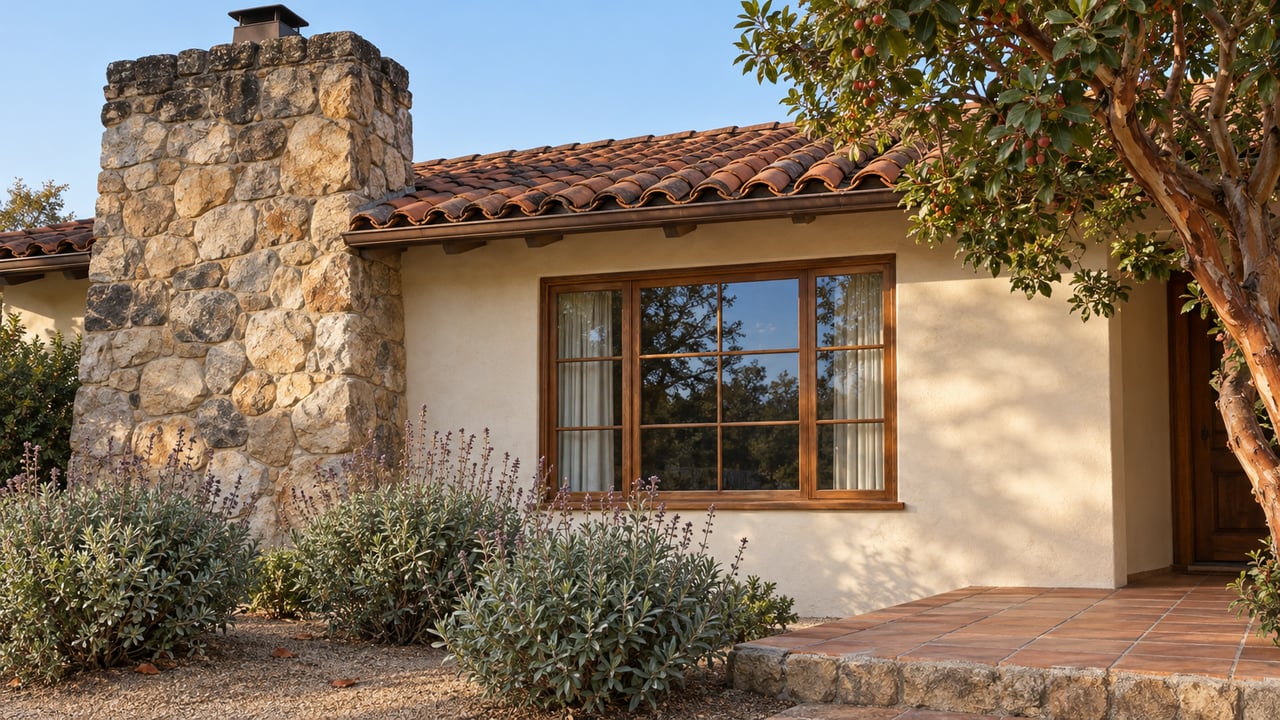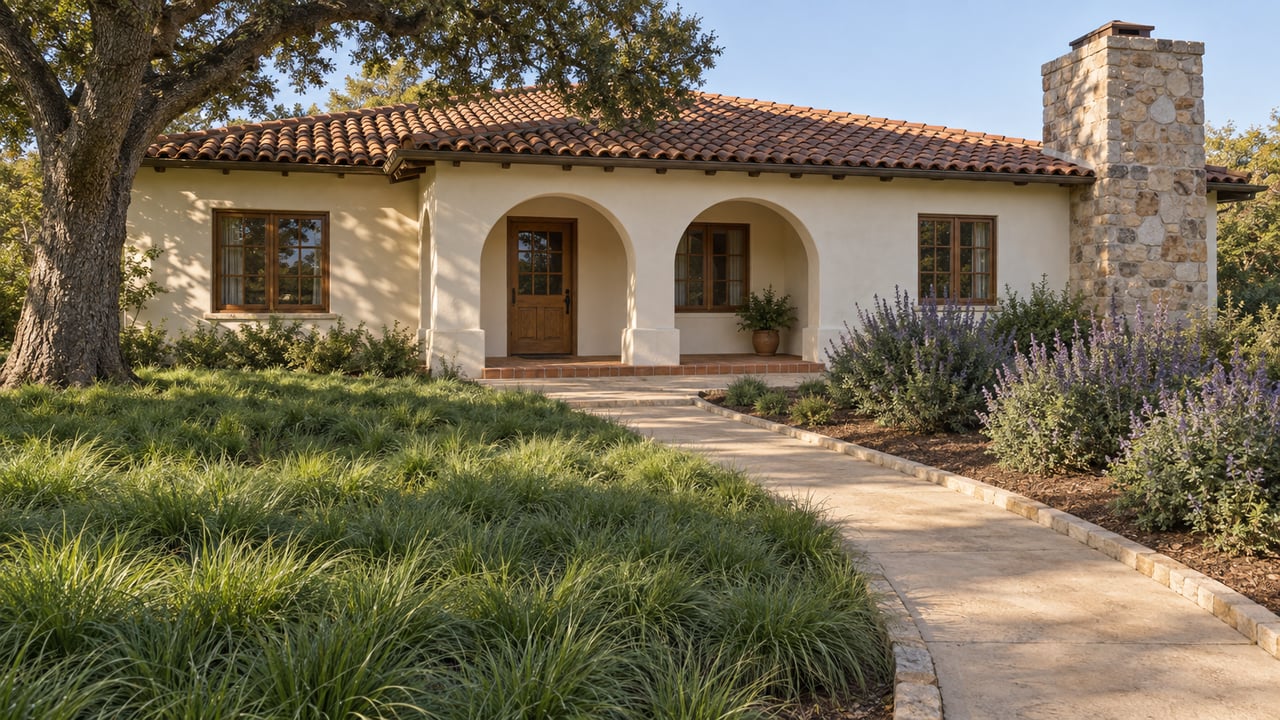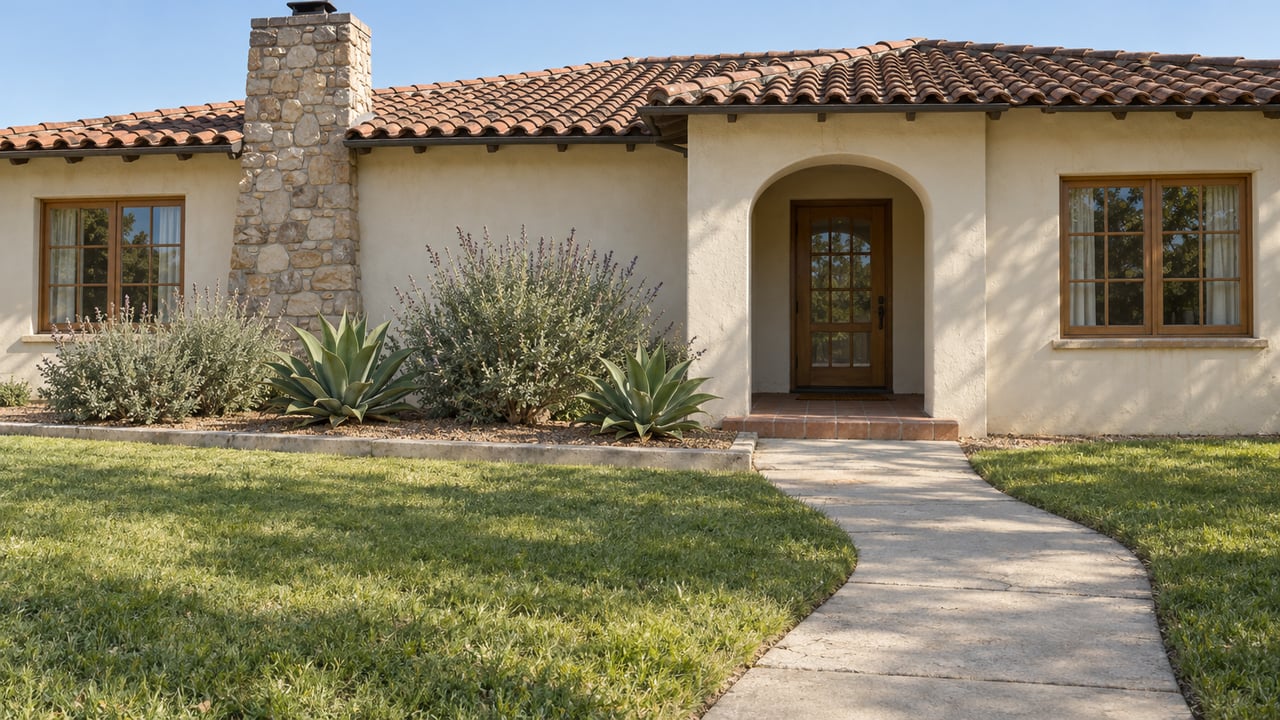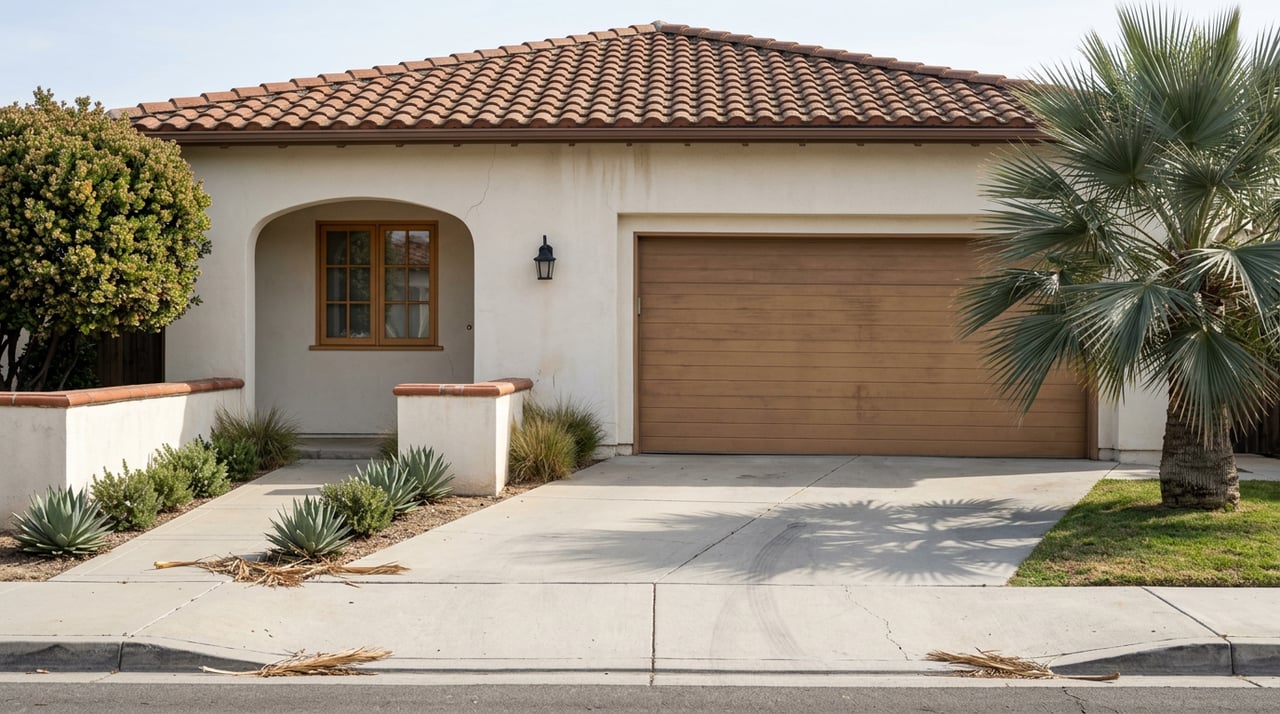
Scroll through active listings in the 90631 zip code long enough and you'll hit a number that doesn't make sense. A three-bedroom, two-bath home lists for $318,995. A few streets over, another three-bedroom, two-bath house lists closer to La Habra's citywide median, which stood at $878,000 as of February 2026. Same bedroom count. A gap of more than half a million dollars that no amount of paint or granite countertops explains.
The gap isn't a pricing error and it isn't a hidden fixer. It's two different products wearing the same "La Habra home" label. One of them comes with the dirt underneath it. The other doesn't.
Two Numbers, One City
Ask three sources what a typical La Habra home costs right now and you'll get three different answers, and the disagreement itself tells you something useful. One widely used index put the median sale price at $878,000 for February 2026, up 7.7% year over year, with homes going pending in about 20 days. A separate read on July 2026 activity showed a median list price of $749,000, roughly $513 a square foot, down 5% from a year earlier. A third tracker had typical home values at $796,902 through the end of June 2026, essentially flat.
None of these numbers are wrong. They're measuring overlapping but not identical slices of the same market, list price versus sold price, medians versus averages, different reporting windows. For a buyer or seller, the practical lesson is that a single citywide figure is a starting point, not a verdict on any specific street.
But there's a second reason these numbers move around that has nothing to do with methodology. All three of them are describing the fee-simple market, the traditional stick-built homes where you own the structure and the ground it sits on together. None of them are counting the manufactured homes sitting on leased land inside La Habra's own city limits. Those sales run through a separate track entirely, priced, financed, and resold under a different set of rules, and they're the reason a $318,995 listing can sit a few streets from a home priced near the citywide median without either one being a mistake.
What $250,000 Actually Buys in La Habra
La Habra has several manufactured home communities, and two of the larger ones illustrate the range. Friendly Village of La Habra, a 55-and-over land-lease community built in 1971 with 329 home sites and managed on-site by Sun Communities, Inc., currently has homes listed from roughly $179,900 up to $329,995, including a newly built 1,568-square-foot double-wide at the top of that range and an older 2005-built home closer to the middle. Lake Park La Habra, another 55-and-over community built around a small lake and greenbelt, has recent listings running from about $255,000 to $319,000 for homes built in the mid-1970s.
In both cases, you're buying the home. You are not buying the land it sits on. Instead, you pay monthly space rent to the community that owns the ground, reported around $975 a month at Lake Park.
The city itself is a landlord here too. La Habra owns two mobile home parks outright, Park La Habra and View Park Mobile Estates, day-to-day managed by Augusta Communities. Park La Habra was built in 1954 and has 107 home sites, with space rent currently running $850 to $950 a month. View Park has 142 units. That detail matters more than it might seem, and it's worth sitting with for a minute.
The Land Underneath Isn't Yours
The California Department of Housing and Community Development describes a park homeowner as the owner of the mobilehome, with a tenancy in the park under a rental agreement.
That structural split changes more than the sale price. Manufactured homes on leased land typically don't qualify for a standard mortgage the way a site-built house does, as Fannie Mae's guidelines indicate. Financing usually runs through a manufactured-home or chattel loan instead, a different product with different underwriting than what most buyers are used to. It also means resale works differently. When you sell, you're selling the structure.
State law does offer some protection here. California's Mobilehome Residency Law requires a park to give residents 90 days written notice before any space rent increase takes effect. Since 2021, a change to Civil Code section 798.17 also closed a loophole that used to let long-term leases sidestep local rent protections entirely. But the law stops short of setting a statewide cap on how much rent can go up. That part is left to individual cities, and it's the piece worth checking before you write an offer, not after.
Who Owns the Ground Changes the Math
This is where the two city-owned parks and the privately owned ones start to look less alike than the paperwork suggests.
A large private operator running a manufactured home community has a straightforward incentive: grow revenue per space over time, the same way any landlord answering to investors does. A city that owns its own mobile home parks is answering to a different set of pressures, budget, constituents, and its own stated goal of preserving affordable housing stock. Neither ownership structure guarantees an outcome. But the underlying math each landlord is optimizing for isn't the same, and that difference shows up over years, not in any single lease.
What I could not confirm in researching this piece is whether La Habra has adopted its own citywide ordinance capping space rent increases at the privately owned communities, the way some California cities have done specifically for mobile home parks. If that kind of local ordinance exists here, it wasn't something I found documented. That's not a reason to avoid these communities. It's a reason to ask the question directly, in writing, before you're under contract: what has space rent done at this specific address over the last five years, and is there a lease term that changes those rules for you.
A Few Questions Worth Asking Before You Tour
Can I get a regular mortgage on a home in one of these communities? Usually not in the traditional sense. Because the home is titled as personal property rather than real estate, most buyers finance through a manufactured-home or chattel loan. Confirm with your lender that your pre-approval actually covers this type of purchase before you fall for a listing.
Does La Habra limit how much space rent can go up each year? State law requires 90 days notice before any increase, but the size of the increase is a matter of local control, not a statewide rule. Ask the specific community for its rent history rather than assuming a citywide cap protects you.
If space rent climbs, does that affect what my home is worth later? It can. Your total cost of staying in place is the home's value plus whatever rent the land underneath it commands. A buyer down the road will be doing that same math, so a steep run-up in space rent is worth factoring into any long-term comparison against a traditional purchase.
If You're Weighing One Against the Other
A lot of the people looking seriously at a 55-and-over community like Friendly Village or Lake Park are doing it as part of a bigger move, selling a long-held house in Whittier or La Habra to free up equity for exactly this kind of transition. If that's you, the numbers on both sides of that trade matter, what your current home will actually net, and what you're really signing up for on the other end.
The Kennedys have spent years walking Whittier, La Habra, and Fullerton area families through exactly this kind of move, generation to generation. If you're trying to figure out what your current home would sell for before deciding what comes next, get a free home valuation and we'll talk through the real numbers together, not just the citywide median.
This article is general information, not legal, tax or financial advice. Consult a qualified professional about your situation.