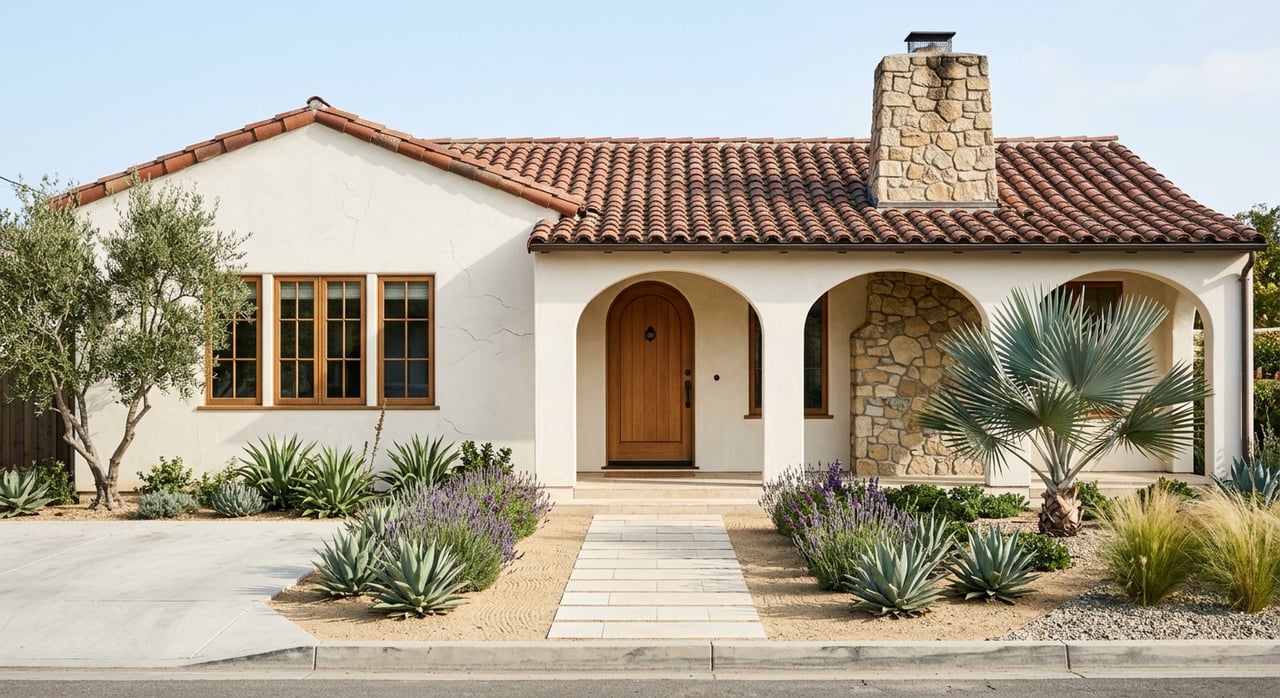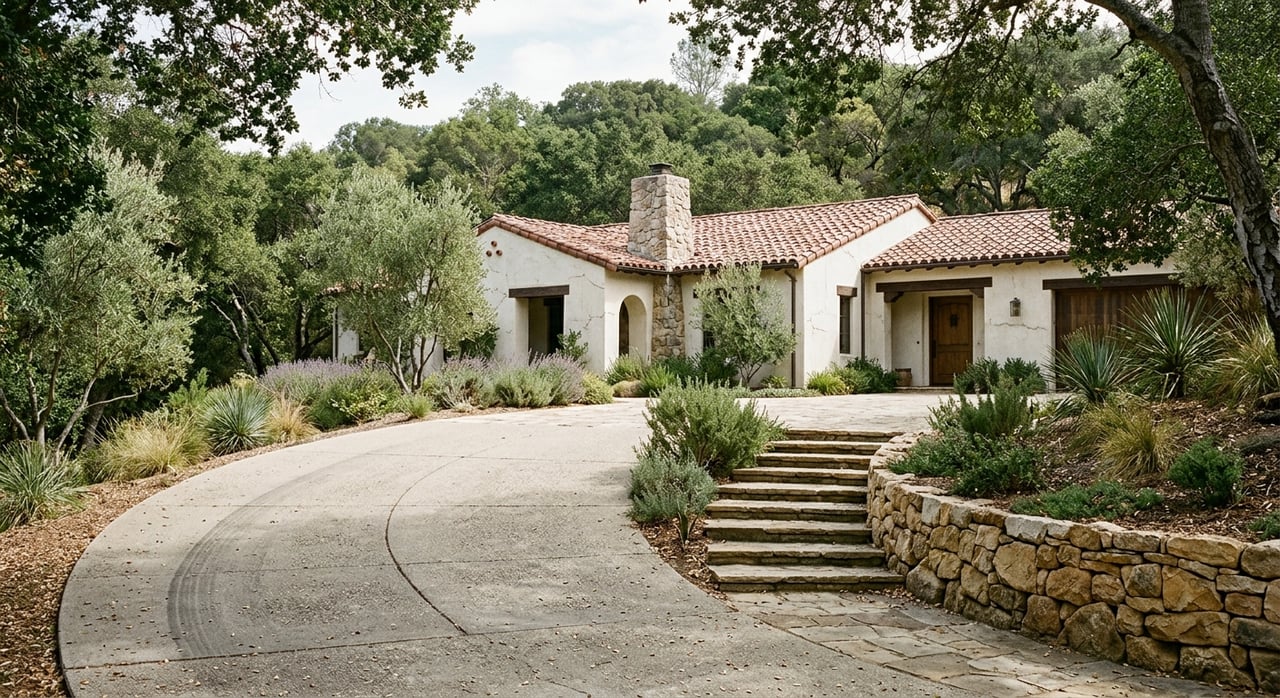
If you are dreaming about building a custom estate in La Habra Heights, the house itself is only part of the story. In this market, the land can shape nearly every major decision, from where you place the home to how you handle access, drainage, septic, and long-term expansion. The good news is that with early planning and the right local guidance, you can move forward with more clarity and fewer surprises. Let’s dive in.
Why La Habra Heights feels different
La Habra Heights is not a typical tract-home market. The city describes it as a rural community known for hillside estates, oak woodlands, groves, riding trails, panoramic views, and parcels that are generally at least one acre.
That setting is a big part of the appeal, but it also changes how you plan a build or major remodel. Narrow, winding roads and limited sewer and storm drain infrastructure mean that a custom estate here is often as much about site planning as it is about architecture.
The city’s planning framework is also built around preserving its rural character. That matters because your plans may be reviewed not just for what you want to build, but for how the project fits the land and existing neighborhood pattern.
Start with the lot, not the floor plan
One of the biggest mistakes buyers make is falling in love with a house concept before they understand the parcel. In La Habra Heights, a large lot does not automatically mean an easy build.
The city’s General Plan emphasizes working with the natural terrain rather than forcing the land to fit the house. That includes minimizing major land alteration, preserving natural drainage where safe, limiting impervious coverage, and using grading approaches that conform the structure to the site.
In practical terms, that often means a parcel’s usable building area matters more than its total square footage. A sloped lot with access constraints can feel very different from a flatter parcel, even if both are similar in size.
Topography matters early
Before you commit to a parcel, look closely at slope, pad potential, and how the home may sit on the site. The city encourages contour grading, gradual transitions, and split or stepped pads instead of oversized manufactured pads.
That guidance is important because it affects design, cost, and timing. A home that responds to the terrain usually fits the local planning approach better than one that requires aggressive reworking of the site.
Access is part of the design
Driveways and gates are not minor details in La Habra Heights. The city states that driveways require Planning Division approval and an Encroachment Permit, and vehicle gates must be set back at least 20 feet from the roadway edge.
That means your circulation plan should be part of early due diligence. If access is awkward, steep, or constrained, it can affect everything from daily usability to project approvals.
Map review is smart due diligence
The city provides a zoning map and a separate map showing the Alquist-Priolo Fault Zone. Reviewing those materials early can help you understand whether the parcel has planning or geologic considerations that may influence your design path.
For buyers, this is one more reason to treat lot selection as a research project, not just a lifestyle choice. A beautiful setting is only one piece of the decision.
Utilities can shape your options
In many cities, buyers assume utility questions will be simple. In La Habra Heights, they deserve serious attention from the start.
The city notes that sewer and storm drain infrastructure is very limited, and many properties rely on onsite wastewater systems. That can affect not only what you build now, but what you may be able to add later.
Septic can influence future expansion
The city’s septic guidance explains that existing septic systems may need evaluation in several common situations, including when prior plans are unavailable or no longer match the current floor plan. For buyers considering additions, guest space, or a larger long-term estate plan, that is a major due diligence item.
The city also notes that if public sewer is within 200 feet of a property, septic repairs may not be allowed and connection to sewer may be required when the septic system fails. That kind of rule can directly affect renovation strategy and long-range flexibility.
There is also a limited one-time 10% expansion exception in some situations, but it comes with conditions. The addition cannot add a bedroom or bedroom equivalent, must preserve room for a future replacement dispersal system, and must be supported by a geologist’s report.
Stormwater is not an afterthought
Because the area has limited storm drain infrastructure, water management matters. The city states that projects adding more than 2,500 square feet of impervious surface, as well as single-family hillside properties, may trigger post-construction stormwater controls.
The city also encourages designs that allow water to soak into the ground. Depending on the project, that may include permeable paving, swales, rain-garden-style solutions, or more open construction details.
For you, this means site drainage should be part of the conversation before design is finalized. It is much easier to plan for stormwater early than to retrofit solutions later.
Expect a planning-first approval process
If you are used to more straightforward suburban permitting, La Habra Heights may feel more layered. The city makes clear that the building process begins with the Planning Department.
A new structure, and even an addition to an existing structure, requires Planning Department approval. Some minor projects may be approved over the counter, but larger or more complex estate plans typically involve a more formal review path.
What usually happens first
After you submit an application, city staff reviews it for completeness. If the application is complete, the city either schedules a hearing before the Planning Commission or begins an administrative review process.
Once an application is deemed complete, property owners within 500 feet of the project boundary are notified. That is one reason clear documentation and thoughtful site design matter so much here.
Building review comes next
After planning review, building permits move through Building and Safety. The city says permit applications are submitted for review and typically allow 5 to 10 days for processing and approval, while plan check appointments are handled by appointment.
After permits are issued, inspections are required, and all permitted work must pass final inspection. Inspection scheduling requires at least one business day of advance notice.
Older homes can offer opportunity and limits
Many buyers in La Habra Heights are not starting from raw land. They are buying an existing home with the intention of improving it over time.
That can be a smart path, especially in a market where many homes were built before the city incorporated in 1978. But older homes can come with nonconforming conditions that may shape what you can do next.
Remodeling is often site-specific
The city’s General Plan notes that many older homes were built before incorporation, and some are nonconforming to current standards. The zoning framework allows additions or modifications to legal nonconforming residential structures if they do not increase the nonconformity or its impact and if any required discretionary approvals are obtained.
In practice, that means expansion is often possible, but rarely automatic. The city may look at redesign, revised grading, increased setbacks, extra landscaping, or other changes to address existing site conditions.
Think beyond the next project
If you are buying with a multi-phase vision, it helps to think several steps ahead. A remodel that works today could affect your options for a future addition, detached structure, or major estate upgrade.
That is why experienced buyers often evaluate a parcel for both present use and future flexibility. In La Habra Heights, the best long-term decisions usually begin with a realistic look at constraints.
Fire clearance and maintenance are part of planning
Custom estate planning here is not only about design and permits. Ongoing site maintenance and fire-related requirements matter too.
The city states that every parcel is inspected annually for municipal code and fire code compliance, with annual inspections beginning May 1. The city also requires vegetation clearance near roads, clearance above pavement, and removal of combustible material around structures.
The city further requires fire-flow verification before a building permit is issued. For larger homes and hillside properties, that means access, defensible space, and water supply should be part of your planning conversations from the beginning.
Build the right team early
In La Habra Heights, the right team can save you time, stress, and expensive redesigns. Because the process can cross planning, building, septic, stormwater, grading, and fire considerations, early coordination matters.
Based on the city’s publicly described process, buyers often benefit from a team that includes an architect, a builder, and a local real estate professional who understands La Habra Heights. Depending on the parcel, septic, civil, and grading consultants may also play an important role.
This is where local experience becomes especially valuable. A property that looks straightforward in photos can have meaningful differences in access, drainage, utility setup, or improvement potential.
A practical way to plan your estate purchase
If you are serious about building or reshaping a custom estate in La Habra Heights, a simple framework can help you stay grounded.
Use this early checklist
- Confirm zoning and review city maps early
- Study slope, buildable area, and access before finalizing design ideas
- Ask how drainage and stormwater requirements may affect the site
- Evaluate septic conditions and future expansion limits
- Review whether an existing home may have nonconforming features
- Factor in driveway, gate, and fire-flow requirements
- Plan for neighborhood notice as part of the approval process
- Build your professional team before you get too far into design
None of these steps removes every challenge. But they can help you make smarter decisions and protect your budget, timeline, and long-term vision.
La Habra Heights offers a rare kind of estate opportunity because of its acreage, views, and rural setting. The tradeoff is that success usually comes from patient planning, site-sensitive design, and a clear understanding of how the parcel works before you fall in love with the floor plan.
If you are considering a purchase, remodel, or custom estate strategy in La Habra Heights, working with a local team that understands the area can make the process much more manageable. For personalized guidance on finding the right property and planning your next move, reach out to Christine Kennedy.
FAQs
What makes custom estate planning in La Habra Heights different?
- La Habra Heights is a rural, hillside market where lot conditions, access, drainage, septic, and terrain often influence the project as much as the home design itself.
Do new homes in La Habra Heights require planning approval?
- Yes. The city states that new structures, and even additions to existing structures, begin with Planning Department approval before moving on to building permits.
Can you expand an older home in La Habra Heights?
- In many cases, yes, but expansion may be limited by nonconforming conditions, septic capacity, grading issues, and other site-specific factors.
Why is septic review important for La Habra Heights properties?
- Many properties rely on onsite wastewater systems, and septic rules can affect repairs, additions, bedroom count, and future flexibility.
Are drainage and stormwater rules important for La Habra Heights estate projects?
- Yes. The city notes that certain projects, including single-family hillside properties and projects adding more than 2,500 square feet of impervious surface, may trigger post-construction stormwater controls.
When should you build your La Habra Heights project team?
- As early as possible. A local real estate professional, architect, and builder can help you evaluate a parcel before design assumptions turn into costly surprises.