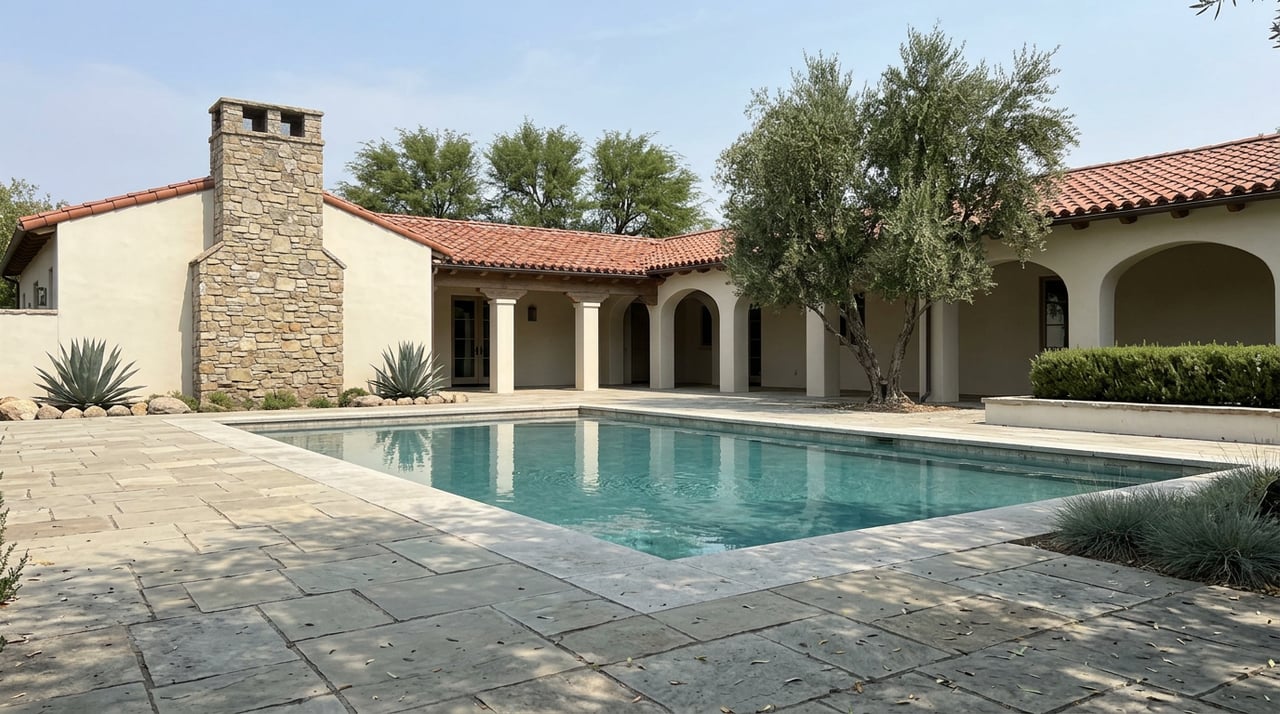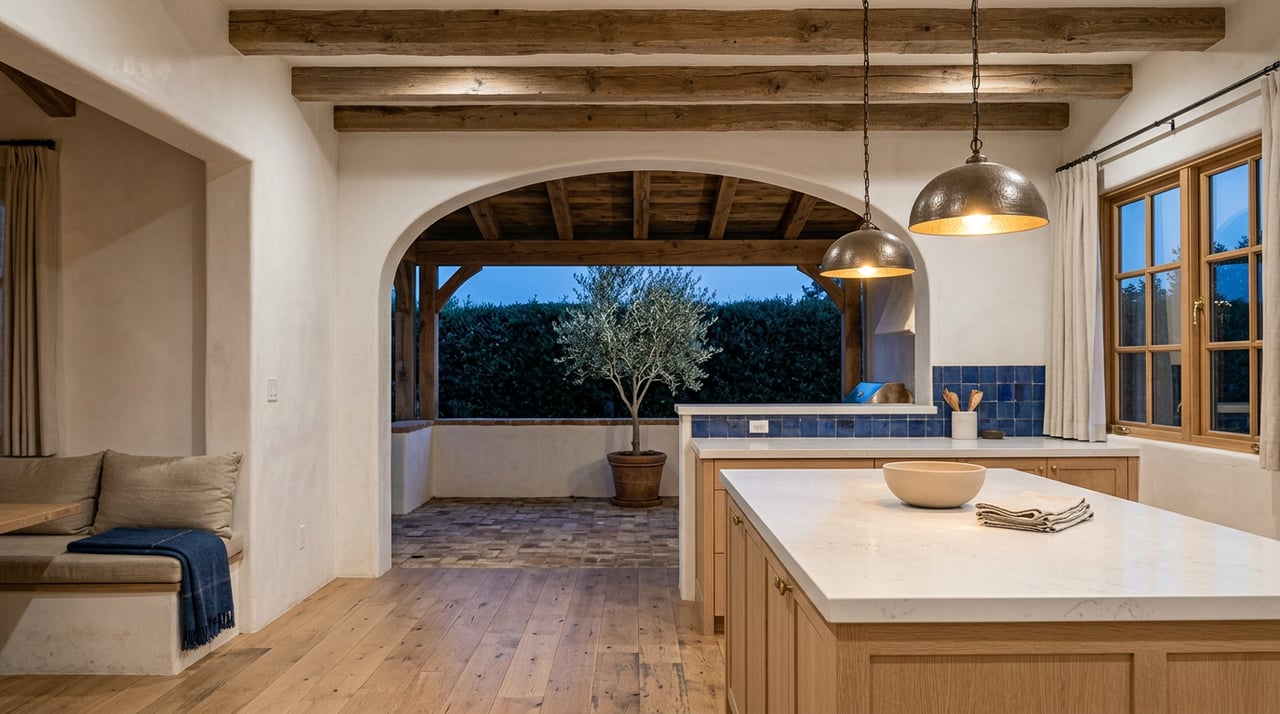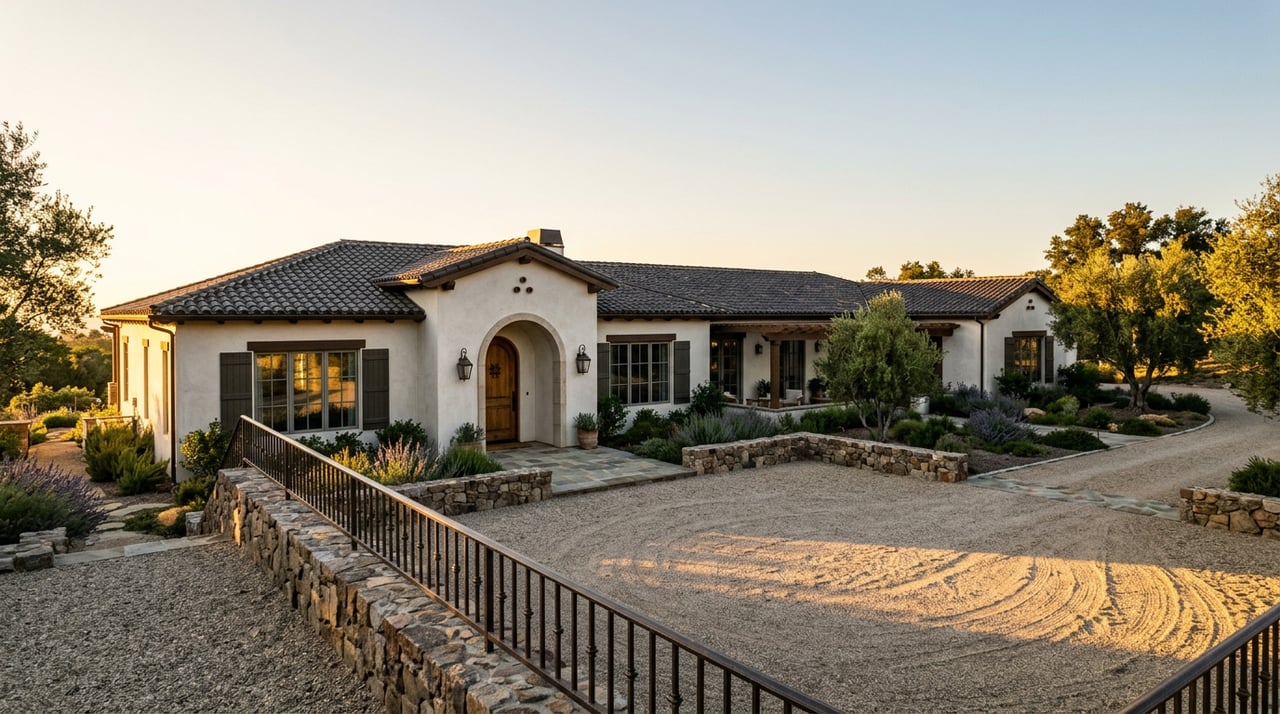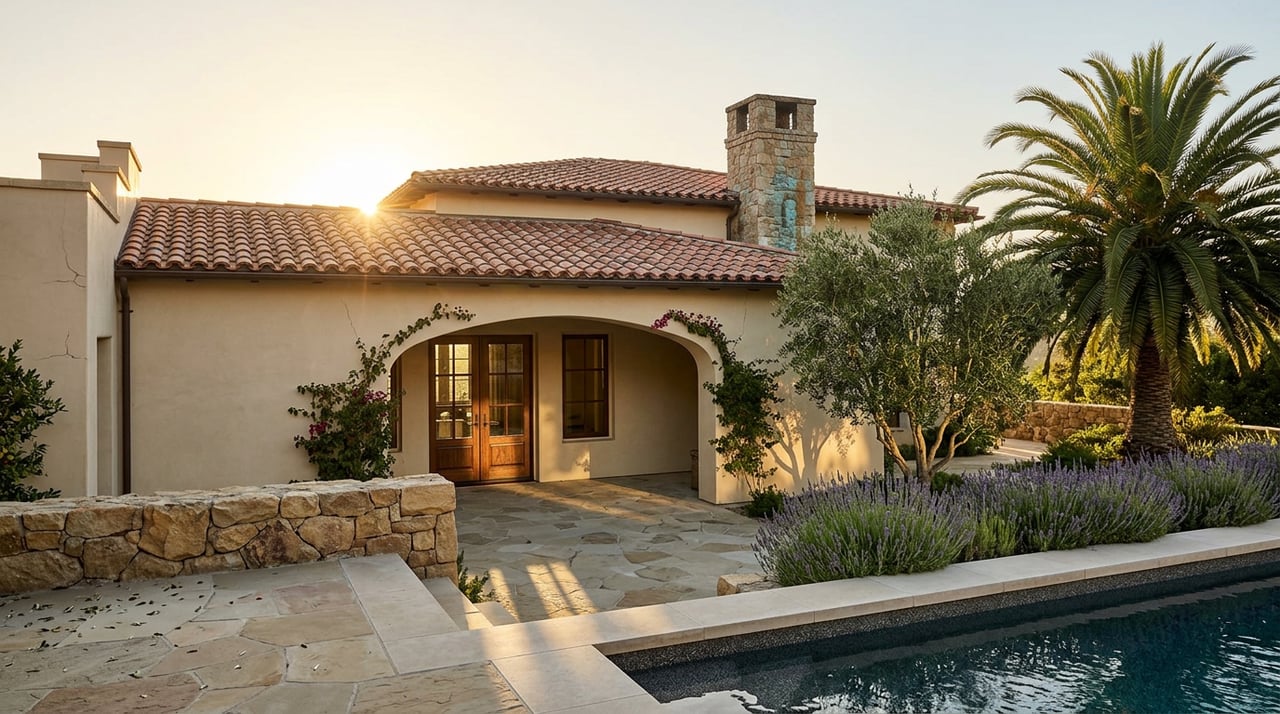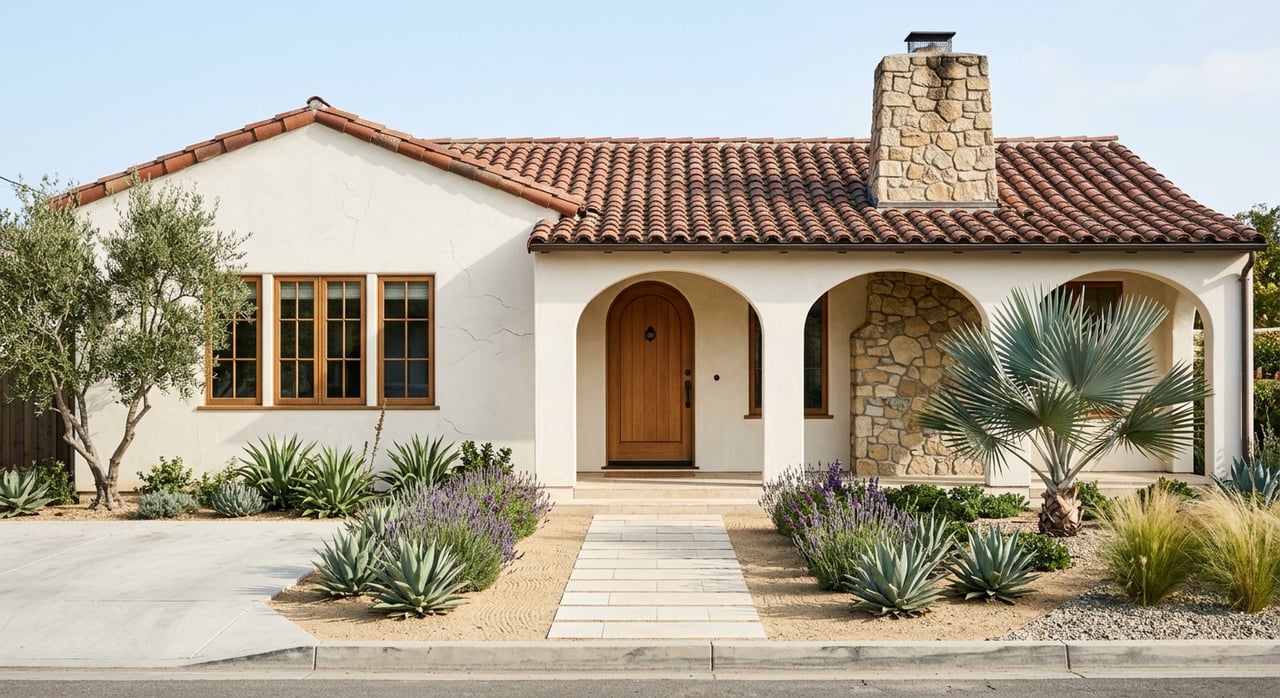
Choosing where to live in Whittier is not just about square footage or price. In this city, your decision often comes down to two very different living experiences: the charm of an older home or the ease of a newer one. If you are trying to figure out which side fits your lifestyle, priorities, and future plans, this guide will help you compare the tradeoffs and make a more confident move. Let’s dive in.
Whittier’s Housing Story
Whittier has a housing stock that leans older and well established. City data shows that 94% of the housing was built in 1979 or earlier, which means older homes are not the exception here. They are a major part of what gives the city its identity.
That age also shapes what buyers usually find on the market. Instead of large new suburban subdivisions, the local choice is often between established neighborhoods with older homes and newer infill or redevelopment projects. If you are home shopping in Whittier, that is the real comparison to understand.
Whittier also has a stable, owner-heavy housing market. Census data shows 57.9% owner occupancy, a median owner-occupied home value of $822,600, and 94.3% of residents living in the same home one year earlier. That kind of stability can be appealing if you want a city with long-term roots and a strong sense of continuity.
Why Historic Homes Appeal to Buyers
Older homes in Whittier often attract buyers who care about character, individuality, and a sense of place. The city’s older housing ranges from historic Craftsman bungalows to California ranch-style homes, so “older home” does not mean just one architectural style. You may find homes that feel classic and detailed, or homes with a more relaxed mid-century layout.
Whittier has four locally designated historic districts: Hadley-Greenleaf, College Hills, Earlham, and Central Park. These areas reflect different chapters of the city’s growth and offer a more established streetscape than many newer developments. For buyers who want a home that feels connected to Whittier’s history, these districts often stand out.
Uptown Whittier adds another layer of appeal. The city describes it as a tree-lined, pedestrian-friendly district with specialty shops, dining, a restored theater, and live music venues. If you want the feeling of living near a historic core with day-to-day conveniences nearby, older areas around Uptown may be especially worth a look.
What older neighborhoods often feel like
Older neighborhoods in Whittier tend to offer a less uniform layout. In places like College Hills, the city notes steep slopes, grade changes, and curving hills, which suggests a more varied site design than you usually see in newer projects. That can mean more individuality from one street to the next.
For some buyers, that variety is a big plus. A home may sit on a lot with a different orientation, elevation, or streetscape than the one next door. If you want a neighborhood that feels layered and established instead of standardized, older Whittier often delivers that experience.
What to Know Before Buying a Historic or Older Home
Character is a real advantage, but older homes can come with more responsibility. The city requires a Certificate of Appropriateness for many exterior changes on vintage buildings built before 1941 and for work in historic districts. Building permits may also be required for many repairs and alterations.
That process does not mean you should avoid an older home. It does mean you should go in with clear expectations. If you plan to remodel, update exterior features, or make structural changes, it is smart to understand the city’s review requirements early.
Older homes may also need more attention over time. Whittier’s hazard planning notes that many structures were built before modern building codes, which can affect seismic resilience, systems upgrades, and long-term maintenance planning. For some buyers, that is part of the appeal. For others, newer construction may feel simpler to manage.
Best fit for older homes
An older or historic home may be the better choice if you:
- Value architectural character and established streetscapes
- Want to live near Uptown Whittier or the historic core
- Appreciate less standardized lots and neighborhood layouts
- Are comfortable planning for ongoing maintenance and possible upgrades
- Understand that exterior changes may involve added city review
Why Newer Homes Appeal to Buyers
Newer homes in Whittier usually show up through infill and redevelopment projects rather than large-scale suburban expansion. The city directs growth into focused areas like Uptown and the Whittier Boulevard corridor. That means newer options are often tied to mixed-use planning, attached housing, or higher-density communities.
Examples in the city include The Groves, a 75-acre master-planned community with 750 residential units and 140,000 square feet of commercial space, and the residential component at Whittwood Town Center. A separate Comstock Place proposal adds three-story townhome-style single-family condominiums. Together, these projects suggest that newer Whittier housing often prioritizes convenience and efficient land use.
For many buyers, that is exactly the draw. Newer homes can offer a more streamlined lifestyle, especially if you want a home close to shopping, services, and planned amenities. They may also feel more predictable in layout and easier to maintain than some older properties.
What newer Whittier living often offers
The lifestyle upside of newer housing in Whittier is convenience. The city describes The Groves as walkable and amenity-rich, with parks, trails, public art, Heritage Court, and the Commons. If you like having destinations built into the community experience, newer developments can be a strong fit.
Whittier also operates the Whittier Cruiser shuttle service, with destinations that include Uptown Whittier, The Groves Shopping Center, The Quad, Whittier College, PIH Health, Rodeo 72, and Hellman Park Trailhead. That does not make every area car-free, but it does add local mobility options in key parts of the city.
Historic vs Newer Homes in Whittier
If you are weighing both options, it helps to compare them side by side.
| Feature | Historic or Older Homes | Newer Homes |
|---|---|---|
| Typical setting | Established neighborhoods and historic districts | Infill, mixed-use, and redevelopment areas |
| Home style | Craftsman, ranch, and other older designs | Often attached, townhome, condo, or newer planned product |
| Streetscape | More varied lots, elevations, and layouts | More uniform design and planning |
| Lifestyle draw | Character, history, proximity to Uptown | Convenience, amenities, and newer community planning |
| Maintenance outlook | May require more upgrades and long-term upkeep | Often simpler day-to-day maintenance |
| Renovation process | May involve added review in historic settings | Usually more straightforward, depending on project rules |
How Location Shapes the Decision
Your daily routine should play a big role in your decision. Whittier’s mean travel time to work is 33.2 minutes, and the city is shaped more by roads, trails, and local shuttle options than by rail-centered density. Access to I-605, SR-60, and I-5 also matters for many buyers who commute across Los Angeles County or into nearby Orange County.
If you prefer proximity to the historic core, older neighborhoods may put you closer to Uptown Whittier and the city’s traditional center. If you want planned retail and mixed-use destinations, newer areas around projects like The Groves or Whittwood may feel more convenient. Neither is automatically better. It depends on how you want your day-to-day life to work.
The Whittier Greenway Trail is another useful point of comparison. The city describes it as a 4.5-mile recreational and commuter bikeway connecting homes, parks, shopping areas, schools, and transit stops. Buyers who care about access to trails, parks, and neighborhood connectivity may want to weigh that feature alongside home age and style.
Questions to Ask Yourself First
Before you choose between a historic home and a newer one, ask yourself a few practical questions:
- Do you want charm and originality, or do you want lower-maintenance simplicity?
- Would you enjoy living near Uptown Whittier’s historic setting, shops, and dining?
- Are you open to permits and review requirements if you want to change an older home?
- Do you prefer a more established neighborhood feel or a newer mixed-use setting?
- How important are planned amenities, nearby retail, and community-designed open space?
Your answers can quickly narrow the search. In Whittier, the right fit is often more about lifestyle than age alone.
Why Local Guidance Matters
Because Whittier is so established, two homes with similar prices can offer very different ownership experiences. One may bring architectural charm and a location near the historic core. Another may offer a newer layout, easier upkeep, and access to planned amenities.
That is why local guidance matters. When you understand how Whittier’s historic districts, redevelopment areas, and neighborhood patterns actually function, it gets much easier to match your home search to the way you want to live. A local team can help you weigh not just the property, but the day-to-day fit.
Whether you are drawn to a character-filled older home or a newer low-maintenance option, the best move is the one that fits your goals. If you want help comparing neighborhoods, property types, and what makes sense for your next chapter, reach out to Christine Kennedy for thoughtful, local guidance.
FAQs
What is the main difference between historic and newer homes in Whittier?
- Historic and older homes in Whittier usually offer more character, established streetscapes, and proximity to the historic core, while newer homes are often found in infill or mixed-use developments that emphasize convenience and planned amenities.
Where are Whittier’s historic districts located?
- Whittier has four locally designated historic districts: Hadley-Greenleaf, College Hills, Earlham, and Central Park.
Are most homes in Whittier older homes?
- Yes. According to the city’s Consolidated Plan, 94% of Whittier housing was built in 1979 or earlier.
What should buyers know about renovating older homes in Whittier?
- Buyers should know that many exterior changes on vintage buildings built before 1941 and work in historic districts may require a Certificate of Appropriateness, and many repairs or alterations may also require building permits.
What kinds of newer homes are available in Whittier?
- Newer housing in Whittier is often found in redevelopment and infill projects, including mixed-use communities, townhomes, condominiums, and other higher-density residential product.
Is Whittier more walkable in older or newer areas?
- Some older areas near Uptown Whittier offer a pedestrian-friendly historic core, while newer mixed-use developments like The Groves are designed around convenience and amenities. Walkability can vary depending on the specific location.