Someone posted a complaint on Los Angeles County's own trail information page describing large holes, overgrown weeds, trash, and trees growing across the Avocado Heights Trail, and writing that the conditions were a real safety concern for the horses that use it. The county's reply, logged right there on the same public page, was short.
"We created a work order ticket to address the trail issues along the Avocado Heights trail."
That single exchange tells you more about how this neighborhood actually runs than any map of its zoning lines. Avocado Heights has an official Equestrian District, half-acre-plus lots, and a genuine claim to horse country roots that go back to cattle and horse grazing in the 1840s. What it does not have, at least not consistently, is a public works budget that matches the culture the zoning protects. The riding here survives because residents keep showing up for it, not because anyone downtown guaranteed they would.
The Zoning Came First, the Infrastructure Came Later
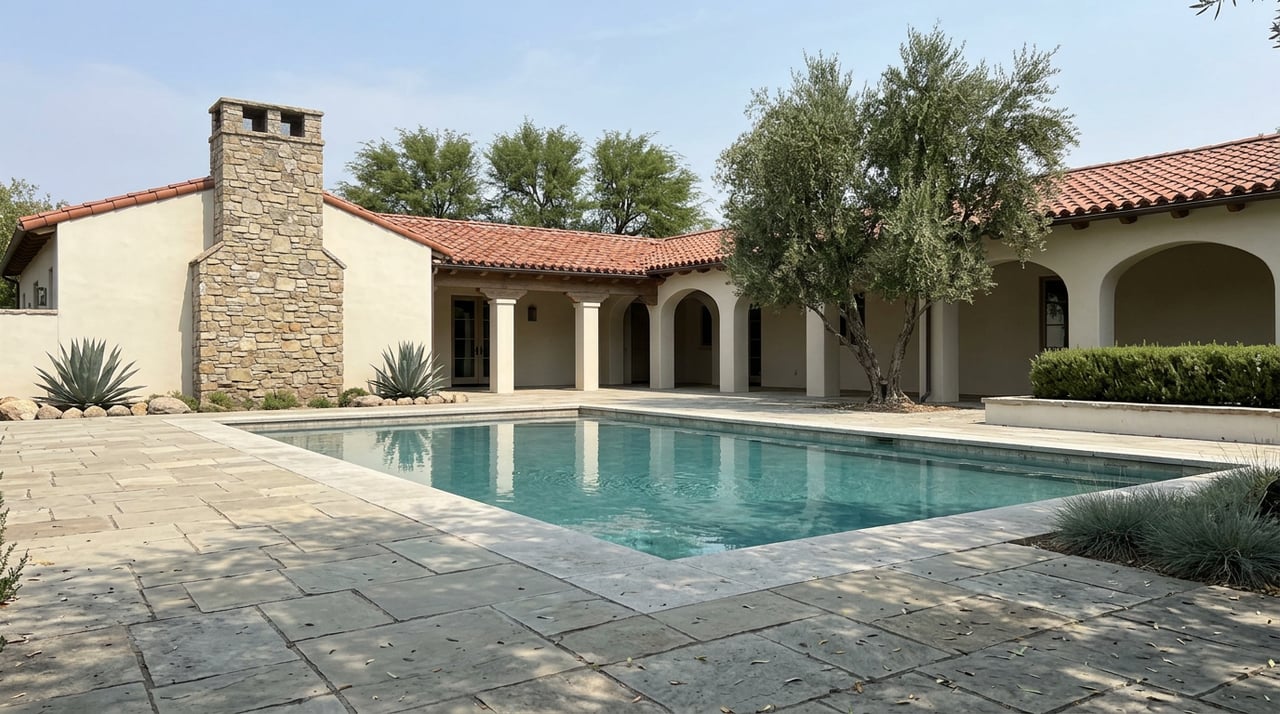
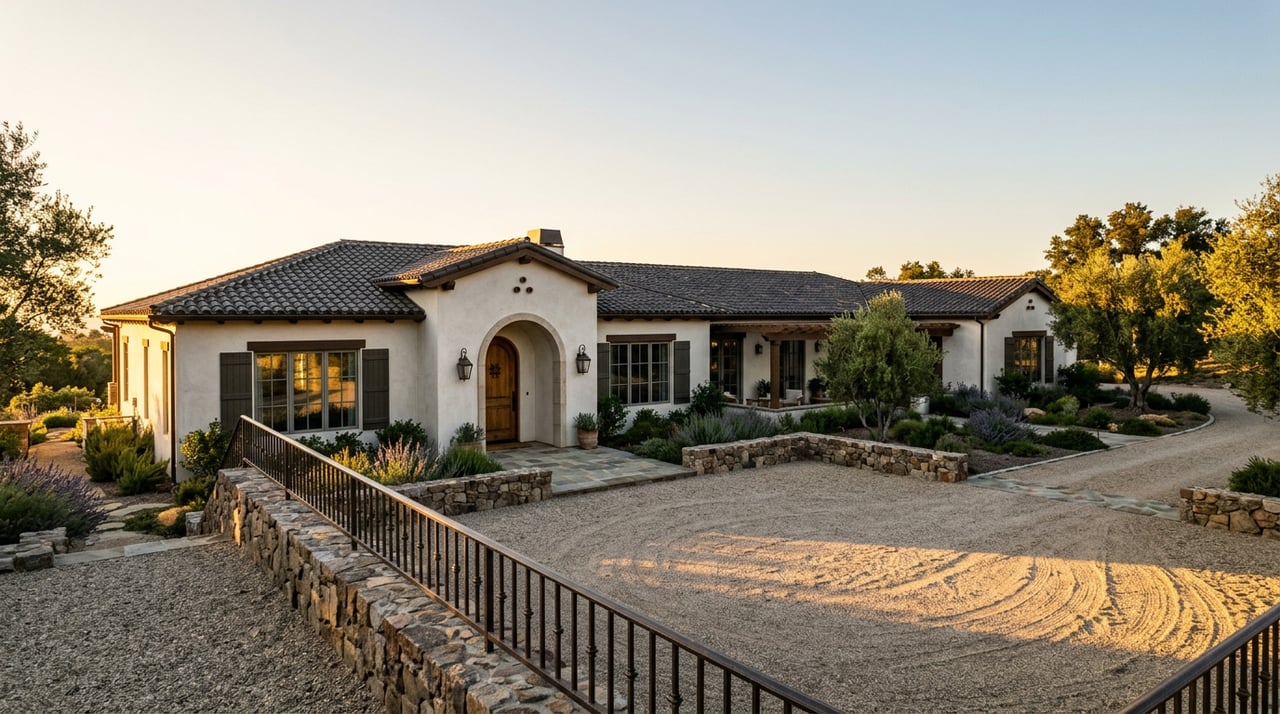
Avocado Heights is unincorporated, wedged almost entirely inside the City of Industry with the San Gabriel River and California Country Club to the west. Its Equestrian District designation allows modified horse-keeping standards, and light agricultural zoning still covers close to half the community's acreage, which is unusual for a patch of land this close to the 605 and 60 freeways. The reason it stayed this way isn't romantic. Decades of polluting industry next door in the City of Industry, plus proximity to the Puente Hills Landfill, kept property values low enough after World War II to discourage the kind of dense redevelopment that reshaped most of the surrounding San Gabriel Valley. Low land values preserved a rural footprint that a wealthier neighborhood probably would have paved over.
That history explains why you can still find half-acre lots with a horse in the back yard roughly fifteen miles from downtown Los Angeles. It doesn't explain who pays to keep the trail between those lots rideable.
What the County Actually Maintains
The Avocado Heights Trail runs on decomposed granite in front of homes, schools, and parks, and connects riders to the San Jose Creek Trail from the south ends of 4th and 5th Avenues. The main access point is Avenue Park, between Lomitas Avenue and Don Julian Road. Here's the detail that catches people off guard: the county's own trail page notes that horse trailer parking is not available at Avenue Park. A trail zoned for horses, with a trailhead that can't accommodate the vehicle most riders need to get their horse there in the first place.
The skatepark at Avenue Park, by contrast, works fine for anyone who shows up on wheels instead of hooves.
The Volunteer Calendar Fills the Gap
Los Angeles County does run a formal trail volunteer program, with dedicated work days that have included the Avocado Heights Trail alongside cleanups at Baldwin Hills and Altadena Crest. But the same volunteer page currently carries a caveat: after a wave of regional wildfires strained the department's capacity, formal volunteer trail days have been paused this spring. When the county's own calendar goes quiet, the maintenance doesn't stop. It just moves to whoever already boards a horse in the neighborhood and has a rake in the garage.
That's the pattern to notice if you live here. The trail exists because it's zoned to exist. It stays usable because people who ride it keep it usable.
The Park Fills the Rest
Avocado Heights Park carries the same split personality. It has a dedicated horse-riding arena, sports facilities, and a playground, all county-provided. But the programming that actually defines the place tends to start with a resident's request rather than a department's plan. The park's September National Hispanic Heritage Celebration, which lands again next month, has featured escaramuza charra riders, women who perform in full sidesaddle formation, along with a trick-roping exhibition and a crafts area built around Frida Kahlo's art, all shaped by asking local organizers what they wanted to see rather than importing a generic program.
A few blocks over, San Angelo Park adds a splash pad and a drop-in after-school program. The free lasso and trick-roping classes offered there for kids weren't run by the county at all. A neighbor taught them.
Where the Bigger Trail Network Picks Up
Avocado Heights doesn't ride in isolation. A short drive away, the Whittier Narrows Equestrian Center sits along the San Gabriel River and connects to a stretch of the Juan Bautista de Anza National Historic Trail. Before its 2022 refurbishment, the center held seven barns with about 200 horse stalls. The rebuilt facility, according to the project's environmental filing, was designed to board up to 180 horses instead, a small step down in raw capacity traded for structures moved out of the floodplain and stormwater treated before it reaches the river. Fewer stalls, less flooding. That's the kind of tradeoff that only shows up when you read the filing instead of the brochure.
South of Route 60, the Puente Hills Preserve adds more trail mileage for anyone willing to cross the freeway corridor. None of this is Avocado Heights proper, but it's the network the neighborhood's own horse culture plugs into.
The Same System, Stretched Thinner
A few miles away, the 1,492-acre Whittier Narrows Recreation Area runs under the same Los Angeles County parks system that maintains the Avocado Heights Trail and Avenue Park. It's a genuinely large public asset:
- Legg Lake, where pedal boats and kayaks rent through Wheel Fun Rentals
- The American Military Museum, a small collection of tanks and artillery pieces
- The Whittier Narrows Nature Center, with ranger tours and live exhibits
- A USA BMX race track and a connector trail linking the Rio Hondo and San Gabriel River bike paths
In June 2025, KTLA reported that Los Angeles County parks began closing two days a week as a budget measure. That's the same department responsible for the work order ticket on the Avocado Heights Trail. When the agency running your regional lake and your neighborhood horse trail is operating on a reduced schedule, the informal, resident-run layer of maintenance and programming stops being a nice-to-have and starts being the thing that actually keeps the culture running day to day.
What Persists on Its Own
Not everything here depends on a county budget. The private California Country Club, with its 18-hole course and a restaurant built around outdoor firepits, runs on membership dues, not public funding, and it isn't going anywhere regardless of what the parks department cuts next. Neither is Tepeyac Restaurant & Tequila Sports Bar, which has served burritos on the west side of Route 60 since 1955, or Juan Pollo, the small spot known for slow-roasted chicken. These places last because families kept them open through decades of change in the surrounding industry, not because anyone zoned them into permanence.
That's the honest version of Avocado Heights. The Equestrian District gives you the legal right to keep a horse on a half-acre lot. It doesn't guarantee the trail underneath that horse gets repaved, or that the trailhead has room for your trailer, or that the county's programming calendar shows up without a neighbor filling in first. The riding, the roping classes, the September celebration, and the family-run restaurants that have outlasted three generations of industrial neighbors all share the same origin story: someone local decided it mattered enough to keep going.
If you're weighing what a property here is actually worth, that context matters as much as the square footage. A half-acre lot with horse rights only delivers what it promises if the community around it keeps doing the work the county doesn't fully fund. The Kennedys have spent years watching how that balance plays out street by street across the Whittier, La Habra, and San Gabriel Valley corridor. If you're curious what your own property looks like inside that picture, reach out for a free home valuation and we'll walk through it with you.