If you split your time between Los Angeles and Orange County, you know every minute in traffic counts. You also want a home that fits your lifestyle, whether that means more yard space, nearby transit, or a quieter street. In this guide, you’ll see how Avocado Heights and nearby San Gabriel Valley neighborhoods stack up for daily commuting, what trade-offs to expect, and how to build a smart shortlist. Let’s dive in.
Why commute planning matters in the SGV
The San Gabriel Valley sits at a junction of major corridors, including I‑10, SR‑60, I‑210, and I‑605. Peak-hour congestion is common, so where you live relative to these freeways can change your day. You also have options beyond driving, such as light rail, commuter rail, and express bus services that connect to Downtown LA. If you live in a lower-density pocket like Avocado Heights, park‑and‑ride access often makes transit more practical.
Avocado Heights at a glance
Commute advantages for drivers
Avocado Heights offers direct driving access to the central SGV, with nearby connections to SR‑60 and I‑605. If your commute follows the 60 corridor toward Downtown LA or heads south to other freeways, this location keeps you close to key interchanges. Many residents drive, then adjust departure times to manage peak traffic. For car-first commuters, this can be a comfortable balance.
Housing character and lot sizes
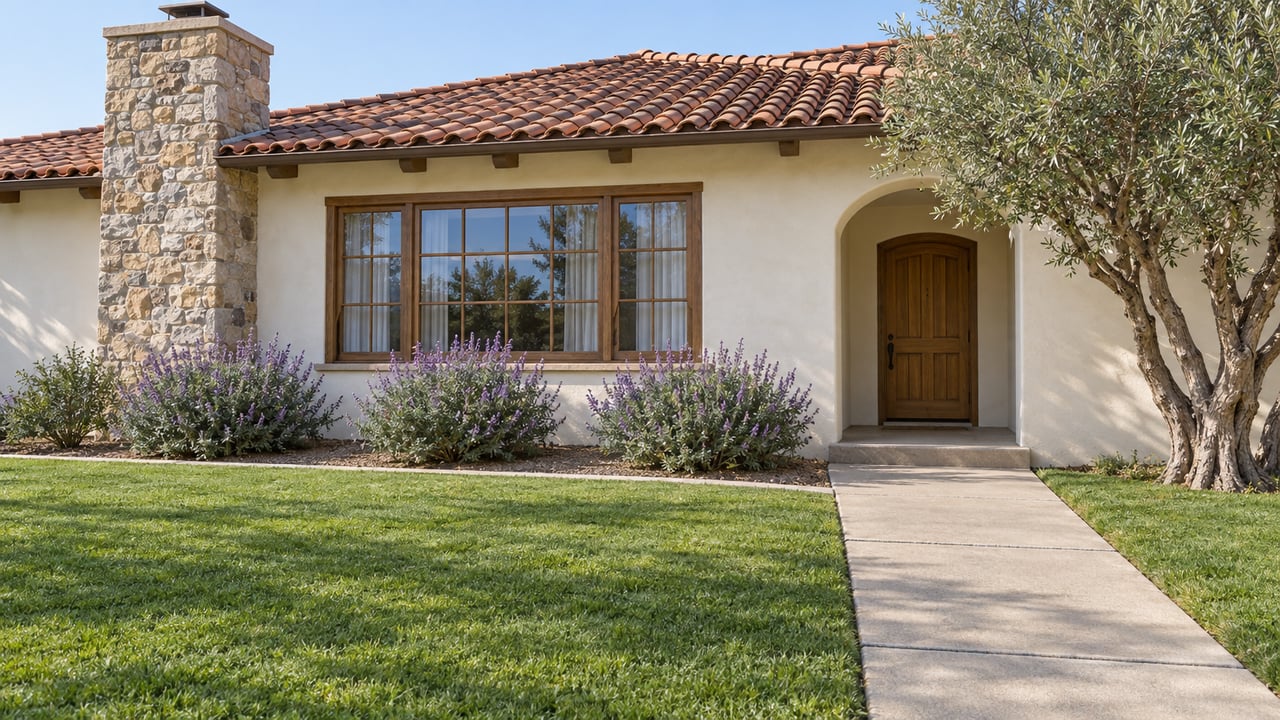
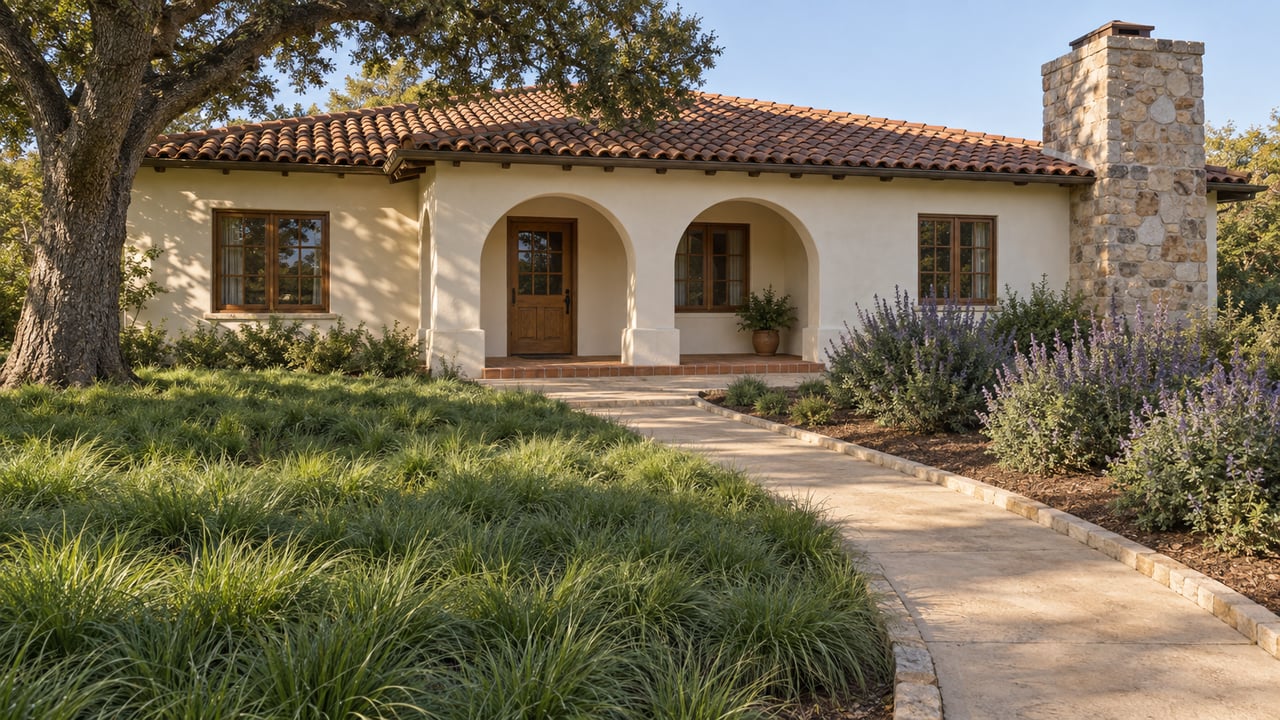
You’ll find mostly single‑family homes, often on larger lots than typical SGV tracts. The area has a semi‑rural, equestrian-friendly feel and a quieter pace compared with denser city centers. If you want outdoor space, privacy, and room for hobbies, Avocado Heights is a strong fit. Expect fewer multi‑family options and fewer walkable commercial districts.
Trade-offs for transit users
High‑frequency rail and bus stops are not usually within a short walk from most homes here. If you rely on train or express bus service, plan on driving to a nearby transit center or park‑and‑ride. First/last‑mile connections matter, so factor in parking availability and your total door‑to‑door time. Commute times by car can be sensitive to freeway congestion, so schedule flexibility helps.
Nearby neighborhoods to compare
La Puente and Hacienda Heights
These communities sit near SR‑60 and have straightforward connections to I‑10. You’ll see many mid‑century single‑family homes with moderate lot sizes, plus hillside pockets in Hacienda Heights. Bus routes and nearby commute nodes add options for Downtown LA trips. The trade-off is more suburban density and local traffic in certain zones.
West Covina, Covina, Baldwin Park, and El Monte
Positioned along I‑10 and SR‑60, these cities offer multiple ramp options for drivers. El Monte is a major express bus and busway hub used by many Downtown LA commuters. Homes range from older bungalows and ranch styles to newer infill, generally on moderate or smaller lots. Peak-hour traffic can be heavy, but transit choices help you avoid daily freeway driving.
Pasadena, South Pasadena, and Altadena
Closer to central LA, this cluster is well served by light rail and several bus lines. Walkable downtowns and transit-friendly grids make car‑free commuting more feasible. Housing includes historic homes and higher‑density options near station areas, often on smaller lots. Expect higher purchase prices in many neighborhoods, especially near transit and shopping.
Arcadia, Monrovia, Duarte, Azusa, and Glendora
Along the northern SGV, you get access to light rail, commuter rail in certain areas, and I‑210. Home styles vary from renovated historic to suburban tract, with select pockets offering larger lots. Rail‑adjacent neighborhoods can have smaller yards but bring more frequent service. Prices vary by city and proximity to stations.
Pomona, Claremont, and La Verne
These cities offer a mix of commuter rail stations and access to SR‑60 and I‑10. The housing stock ranges from older craftsman and bungalows to postwar tracts and newer infill. Walkable college‑town cores in Claremont and La Verne bring local amenities and transit convenience. Station proximity is a key factor in daily commute times.
Walnut, Diamond Bar, and Rowland Heights
If you commute toward northern Orange County or the SR‑57/60 interchange, these cities are well placed. Expect many single‑family homes, hillside streets, and neighborhoods from the 1980s through 2000s. Larger lots are common in select areas, though direct rail access is limited. Many commuters rely on highways or short drives to transit centers.
Lot size vs proximity: know your trade-offs
Larger lots and lower density (Avocado Heights, parts of Walnut/Diamond Bar)
- Pros: outdoor space, privacy, room for hobbies or a detached garage.
- Cons: longer drives to high-frequency transit, fewer walkable amenities, more reliance on local roads to reach ramps.
Smaller lots and transit proximity (Pasadena, station-area neighborhoods)
- Pros: shorter walk or bike to train/bus, more frequent service, better walkability.
- Cons: smaller yards, potential noise, and higher property prices near transit.
A helpful rule: set your door‑to‑door time threshold first. If you must stay under a firm number, like 45 minutes, aim for either rapid highway access with HOV options or a home near reliable rail or express bus service with parking.
Build your commuter shortlist
Define priorities
- List your destinations: Downtown LA, Century City, Irvine, Inland Empire.
- Choose your mode: drive, carpool/HOV, rail, light rail, express bus, or a mix.
- Set your maximum door‑to‑door time and how much variability you can tolerate.
Map corridors
- Identify which freeways or rail lines match your destination.
- Note key bottlenecks such as the 60/57/605 interchanges and plan alternatives.
Simulate the route
- Use mapping apps to test typical traffic at your real departure times.
- Check official transit schedules and park‑and‑ride capacity for your commute windows.
Apply real estate filters
- On your preferred home search sites, filter by commute time, lot size, property type, and distance to transit.
- Drive the route during peak hours and visit likely park‑and‑rides to gauge parking and safety.
Verify local details
- Visit neighborhoods at rush hour to assess noise, cut‑through traffic, and signal timing.
- If school travel affects you, check nearby school start and end times to understand traffic patterns.
Who benefits most from Avocado Heights
Choose Avocado Heights if you value space, privacy, and a quieter, semi‑rural setting while commuting primarily by car. It works well for hybrid schedules when you only drive into the office a few days a week. If daily rail access is a top priority, compare station‑area neighborhoods in Pasadena or the northern SGV where light rail and commuter rail are close by. If your commute targets the 57 or 60 corridors toward Orange County, also include Walnut, Diamond Bar, and Rowland Heights on your list.
Next steps
The right SGV neighborhood depends on your destinations, timing, and how you weigh space versus proximity. A focused plan can save you hours each week and help you enjoy your home more. If you’re balancing a move with commute needs, a guided shortlist will make the choice clear.
Ready to tour commute‑friendly options or design a shortlist around your routes and schedule? Connect with Christine Kennedy for personalized neighborhood guidance and to Get a Free Home Valuation.
FAQs
What makes an SGV neighborhood commute-friendly?
- A commute‑friendly area has quick freeway access to your destination corridor or a nearby rail/express bus station with reliable service and available parking.
Is Avocado Heights good for Downtown LA commuters?
- Yes if you drive and value larger lots; you’ll likely use SR‑60 and I‑605. For daily rail users, plan on driving to a park‑and‑ride or compare transit‑oriented neighborhoods.
How does Avocado Heights compare to Pasadena for transit?
- Avocado Heights offers larger lots and a quieter feel, but Pasadena provides light rail access and more frequent bus options. Your choice depends on space needs and mode preference.
Which SGV areas suit Orange County commutes?
- Walnut, Diamond Bar, and Rowland Heights sit near the SR‑57/60 corridors and work well for north OC access. Parts of Pomona and La Verne also position you for both LA and OC.
How do I balance lot size with commute time?
- Set a hard time limit first. If you need under 45 minutes door‑to‑door, prioritize proximity to highways with HOV or to rail hubs; otherwise, choose larger-lot areas and accept a longer trip.
Where should I start if I need park-and-ride access?
- Identify your likely rail or express bus station, confirm parking availability during your commute window, and test the drive‑plus‑train time at least twice during peak hours.