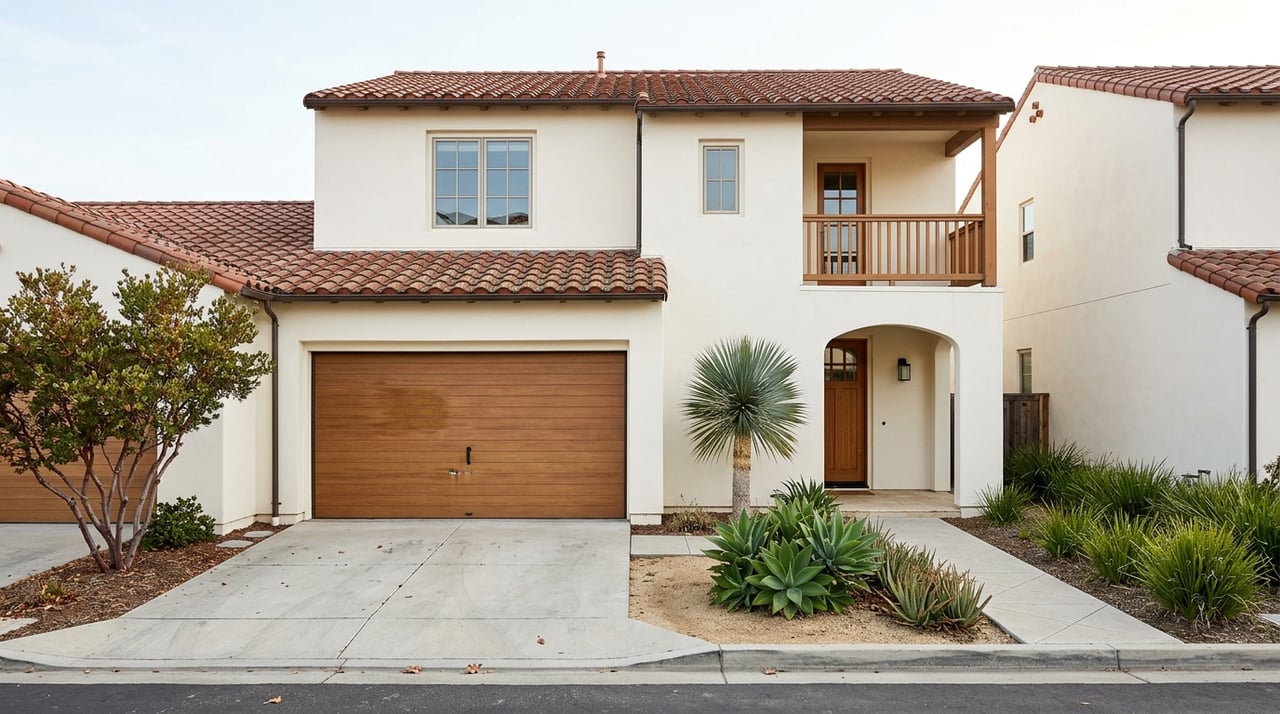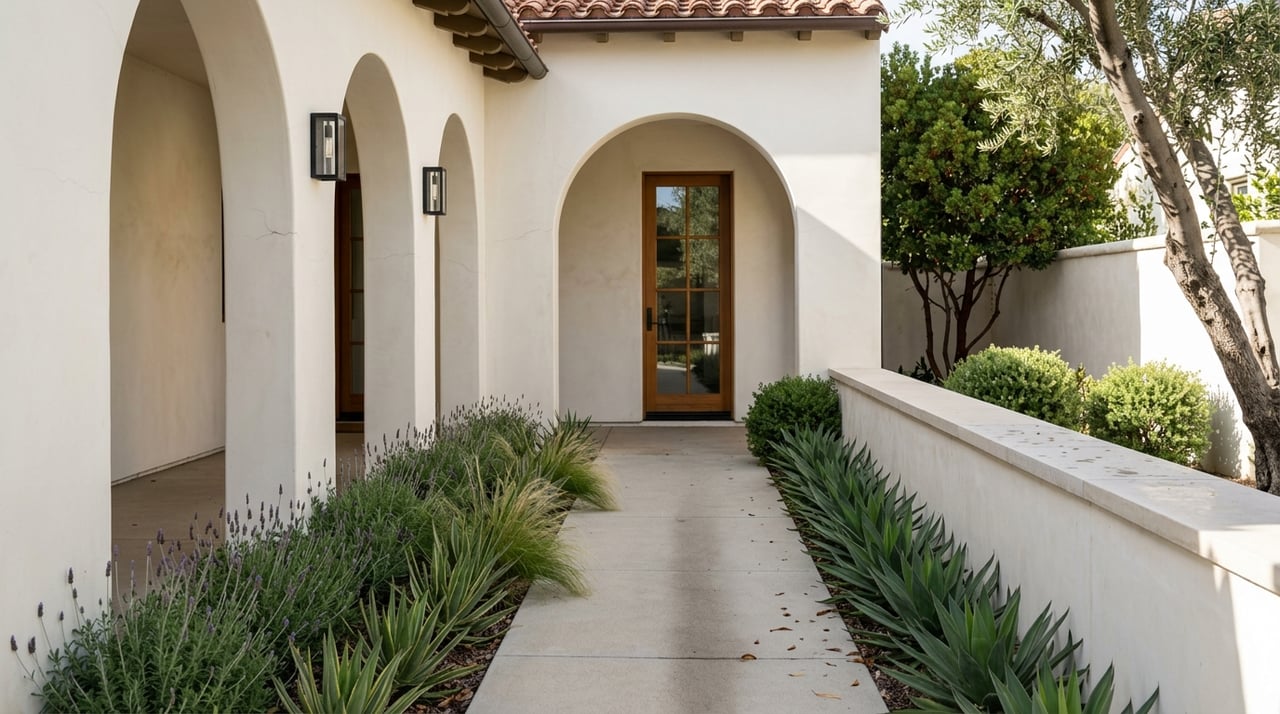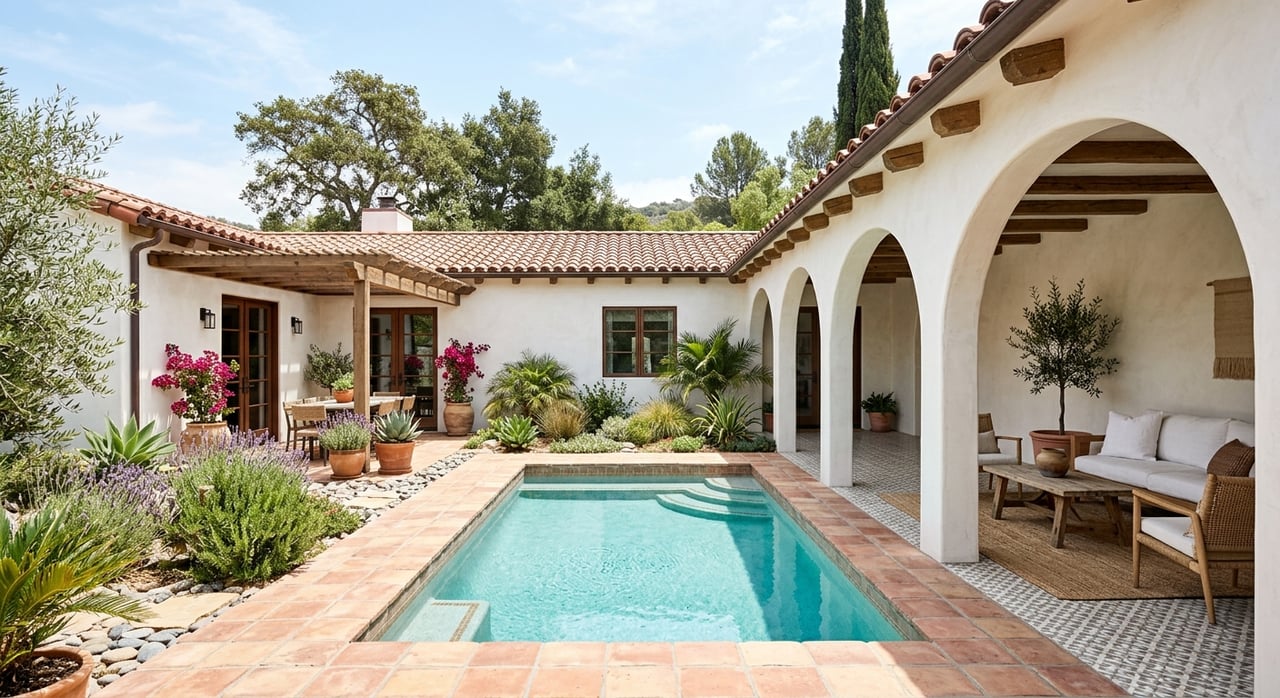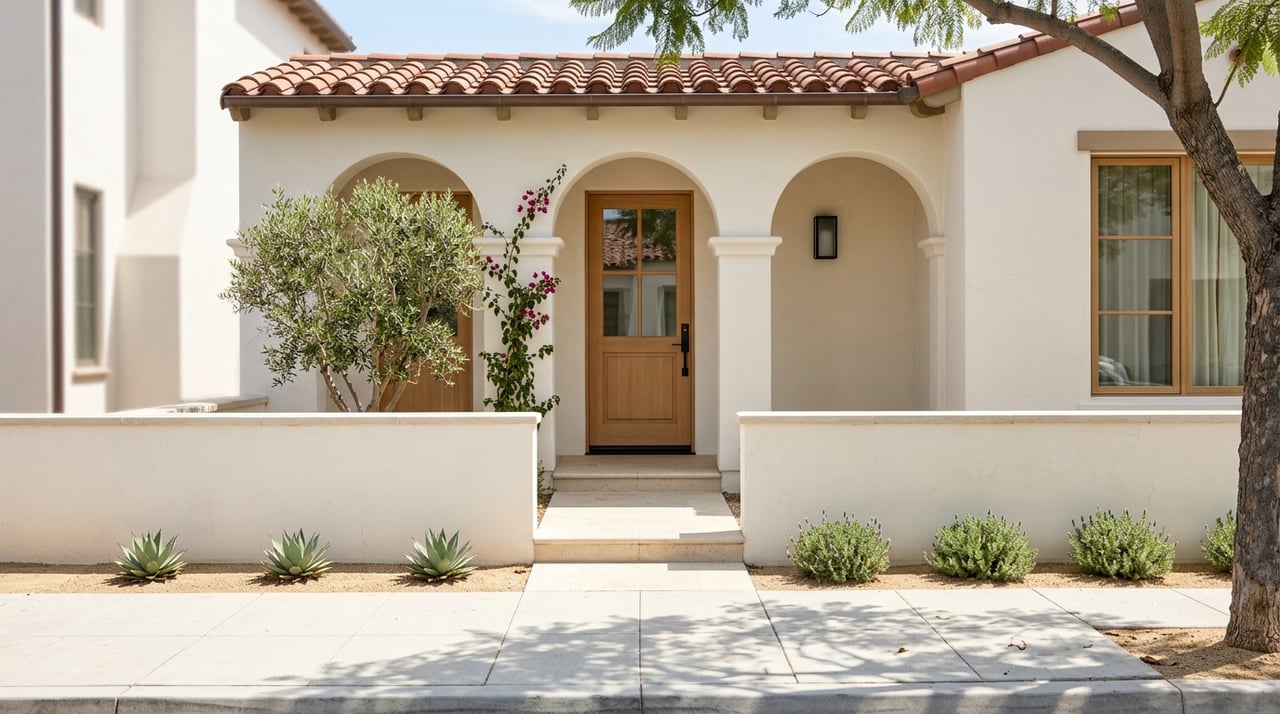
Ever wondered how your day would feel if your front door opened toward a tree-lined path instead of a busy street? If you live near the Whittier Greenway Trail, errands, exercise, and the way you move through Uptown can all shift in simple, practical ways. You might walk for coffee, bike to grab a few groceries, and catch a bus without worrying about parking. In this guide, you’ll learn what the Greenway typically connects, how it shapes everyday routines, and what to consider if you’re buying or selling a home nearby. Let’s dive in.
The Greenway in daily life
A greenway is a linear open space designed for walking, biking, and relaxed recreation. In Whittier, the Greenway links residential streets with parks, Uptown’s shops and services, and nearby transit stops. The result is a continuous, low-stress route that can shorten or replace short car trips.
You can think in terms of time instead of miles. Many people find a 5 to 15 minute walk manageable for errands. A 5 minute walk is about a quarter mile, while 15 minutes is roughly three quarters of a mile. Casual bike rides of 10 to 20 minutes cover around 2 to 4 miles. Using time helps you picture what fits into your day.
Errands that become walks
When a path connects your block to Uptown or a neighborhood commercial node, quick errands often feel easier. You can:
- Walk for coffee or a sandwich in about 5 to 15 minutes.
- Stroll to the post office or pharmacy without hunting for parking.
- Pick up a few groceries by bike in 10 to 20 minutes round-trip.
These small shifts reduce car use for short trips and make spontaneous outings more likely.
Recreation on your schedule
A greenway naturally supports routines you already enjoy. Morning runs, dog walks, stroller time, and after-dinner loops feel more relaxed on a separated path. Weekend rides to nearby parks become short, casual outings. You decide the time window, then choose a comfortable loop.
Commutes made easier
Greenways also work as first and last mile connectors to bus stops. Walking or biking a calm path to transit can make commuting more practical. You spend less time crossing busy streets, and you can skip the parking shuffle when a quick bus ride covers the middle of your trip.
Streets and parks in context
In the Whittier area, Uptown and Whittier College generate many daily trips. Regional recreation areas and city parks add weekend destinations. The Greenway complements these places by linking neighborhoods to them and by providing a direct, low-stress route alongside local streets.
Exact trail alignment, crossings, and surface can vary by segment, so it’s worth reviewing a current city or county map before you set your expectations. If you are comparing two homes, look at how each block actually reaches the path, where curb ramps and signals are located, and whether the path is continuous or jogs to parallel sidewalks in certain sections.
How far feels close
Use these simple benchmarks to plan your day:
- Walking: 5 minutes is about 0.25 mile; 15 minutes is about 0.75 mile.
- Biking: 10 to 20 minutes usually covers 2 to 4 miles casually.
These ranges help you decide if a morning coffee walk fits your schedule or if a park visit by bike makes sense before dinner.
Buying near the Greenway
Market value and lifestyle
Homes near a greenway often appeal to people who value convenience and active routines. The lifestyle pitch is real: walkable errands, relaxed dog walks, and an easy jump to Uptown without the car. Market impact depends on comparable sales, property condition, and micro-location, so it’s smart to study nearby listings that highlight trail access and days on market.
What buyers often ask
- How close is the path from the front door, and is the route continuous?
- Where are the nearest crossings, and are they signalized?
- What are the posted hours and rules for bikes and e-bikes?
- Who maintains the corridor, and how often?
These details shape everyday experience more than a simple “near the trail” line in a listing.
Privacy, noise, and safety options
Some buyers worry about passersby or after-hours use. Practical mitigations can balance privacy and openness:
- Layered screening with narrow trees, medium shrubs, and a 3 to 4 foot decorative fence.
- Permeable pavers or ground cover that creates a clean, low-mud transition from yard to gate.
- Motion-sensitive, downward lights that improve visibility without glare.
- Clear sightlines from the home to the gate for natural awareness.
If you’re considering changes, confirm any easements and setback rules first.
Maintenance, flood, and infrastructure checks
Many Southern California greenways follow utility corridors or flood control channels. Before you commit, review floodplain status through official maps and look at local drainage patterns near the property. Tree roots, slope, and runoff can influence foundations and landscaping over time. A thorough home inspection and, when needed, a consult with a landscaper or engineer can surface issues early.
HOA and municipal rules
Some segments run near communities with HOA guidelines. Fences, landscaping, and gate styles may require approval. City zoning and public frontage rules can also shape what is possible in trail-adjacent yards. Ask for relevant HOA documents and confirm city standards as part of due diligence.
Selling a trail-side home
Photography that sells connectivity
Strong listing photos help buyers picture a daily rhythm:
- Trail-front perspective: frame the house with the path in the middle distance to show direct access.
- Arrival-to-Uptown angle: a wider shot that hints at the route toward shops or trees beyond.
- Lifestyle moments: a pair of bikes by the gate, a leashed dog heading out, or a book on a bench suggest how the space is used.
Time your shoots for golden hour to avoid harsh contrast and to make the path look inviting.
Small-yard upgrades that fit the trail
Cost-conscious improvements can elevate everyday use and buyer appeal:
- Low-maintenance privacy: layered plantings plus a semi-opaque fence for balance and airflow.
- Bike and pet readiness: wall-mounted racks, a compact shed, artificial turf or decomposed granite, and a locking gate.
- Lighting and access: motion lights, smart gate hardware, and clear sightlines.
- Drought-wise plants: Southern California natives and low-water Mediterranean species for screening without heavy upkeep.
Estimated budgets for compact yards:
- Privacy planting: about $500 to $5,000 depending on size and quantity.
- Permeable path and gate: about $1,000 to $6,000 based on materials.
- Bike storage and benches: about $250 to $2,000 total.
Confirm quotes with local contractors before you start.
Marketing with preparation and polish
If you are selling near the Greenway, preparation matters. Thoughtful staging, pro photography, and clear copy about walk and bike times help your home stand out. With brokerage-enabled programs like Compass Concierge, you can handle targeted updates, light repairs, and styling before you list. Our team coordinates vendors, timelines, and marketing so your home shows the lifestyle buyers are seeking.
A sample day by foot or bike
Imagine a weekday from a trail-adjacent address:
- Morning: Walk 10 minutes for coffee, then loop home with a quiet stretch of the path for a quick reset.
- Midday: Bike 15 minutes to a park for a light workout. The separated path keeps the ride simple.
- Afternoon: Walk to a nearby mailbox or pick up a couple of grocery items you forgot.
- Evening: Stroll after dinner for fresh air, then relax in a yard with soft lighting and comfortable seating.
Swap in your own destinations. The key is making small trips pleasant so they happen more often.
What to verify before you decide
Before you buy or list, gather a few essentials:
- Current route map: confirm the exact path, surface, and any gaps where sidewalks substitute.
- Crossings and access: note signalized crossings, curb ramps, and lighting.
- Posted rules and hours: check signs for dogs, bikes, and e-bikes.
- Maintenance and contact: identify the managing agency and typical upkeep schedule.
- Easements and setbacks: review title reports and city rules before planning yard changes.
- Flood and drainage: check official flood maps and observe site conditions after rain.
- Transit connections: locate the nearest bus stops and consider first/last mile via the path.
A short walk-through at different times of day can also reveal how the corridor feels in real use.
Ready to walk it with us?
If you are weighing a move near the Greenway or preparing to sell a trail-side property, you deserve guidance that blends neighborhood insight with polished execution. Our multi-generational team helps you evaluate location fit, plan smart upgrades, and present a lifestyle buyers understand at a glance. For sellers, we manage staging, photography, and vendor coordination, and we can leverage Compass Concierge when it makes sense. Connect with The Kennedys to get a clear plan and a result you feel good about. Get a Free Home Valuation.
FAQs
How close is the Whittier Greenway Trail to Uptown Whittier?
- It varies by block. Use walking time to gauge convenience. Many people are comfortable with a 5 to 15 minute walk; check a current map and test the route.
Which transit stops typically connect with the Greenway in Whittier?
- Local bus routes serve streets that intersect or run near the trail. Identify the closest stops to your segment and use the path as a first/last mile connector.
Are dogs allowed on the Whittier Greenway Trail, and what are the rules?
- Rules can change by segment. Look for posted signs at entry points for hours, leash requirements, and any bike or e-bike policies.
Does living near the Greenway raise property value in Whittier?
- Proximity can be a plus for buyers who want walk-and-ride convenience, but value depends on many factors. Review recent comparables and days on market nearby.
Are there safety or privacy concerns along the Whittier Greenway Trail?
- Foot and bike activity near close-set homes is common. Consider layered plantings, appropriate fencing, lighting, and clear sightlines to balance privacy and openness.
What should I check before I make yard changes next to the Greenway in Whittier?
- Verify easements, setbacks, and HOA rules if applicable, and confirm any flood or drainage considerations. Review title documents and consult city guidelines first.